
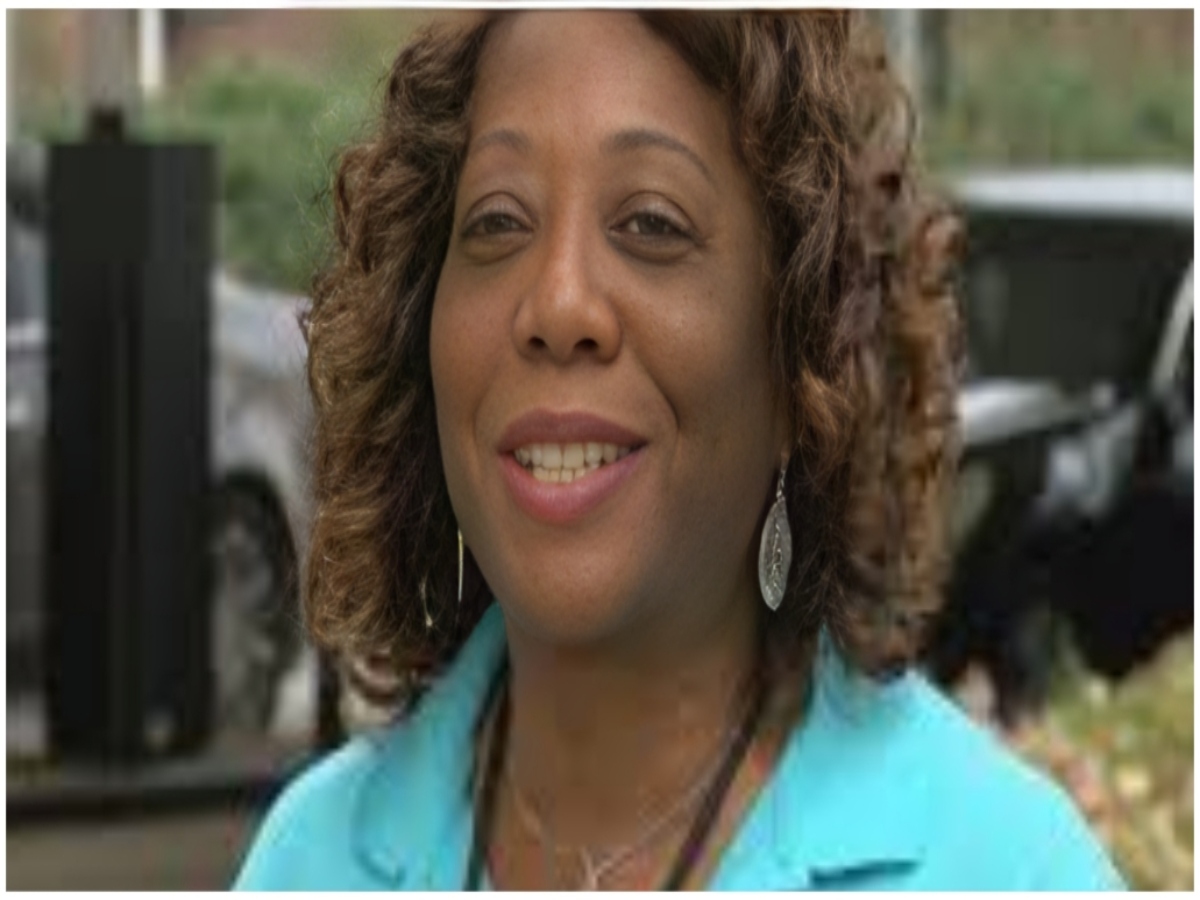
Albany recently honored Mary Ann Petty, who was the city’s first Black female employee. Hired at 19, her job was an important step in mixing up the city’s workforce, which was required by desegregation laws.
During her long and important career with the city, she started as a customer service record clerk and moved up until she became the Director of Administrative Services.
“My first response was, I didn’t want the job, you know, because I’m 19 years old. I wanted to stay home, you know,” Petty told WALB 10.
RELATED STORIES



She continued, “But then, you know, I made a decision, and they talked to me about how important it was, because Judge Owens had signed a court injunction, which mandated that the city of Albany hire some blacks within these downtown offices. So I did, and then I did not know at that time how significant it was, but as time passed, I realized where I was.”
Petty’s initial experience was far from welcoming. Upon starting, she immediately faced overt discrimination and a profoundly hostile work environment.
The clear act of segregation required her to eat lunch alone in the boiler room daily, physically isolating her from her white colleagues. In addition to this physical exclusion, she endured a constant barrage of offensive and demeaning remarks, verbal abuse, and subtle insults that eroded her dignity.
“I realized my first day on the job I wasn’t a welcomed site, I was a sight that was unwelcome,” Petty recounted. “But through those years it is wonderful and beautiful, everything has changed, and I have had a magnificent 53 years with the city of Albany.”
Now, more than 53 years after she began, Mary Ann Petty was honored by her peers and fellow city employees at the Albany Civic Center for the legacy she helped create.
“She’s a legend, and you can’t find that, but it has to be a ministry of yours. It has to be a ministry of yours to serve people, sometimes when they don’t want to be served,” said Albany City Manager Terrell Jacobs.
The tribute event commemorated her 53 years of pioneering service. Her audience included Petty’s family, friends, and the city’s leadership, many of whom are now Black.
Petty remarked that she never imagined she would see such diversity in leadership during her career.
“In 1972, you wouldn’t have seen a Persely. You wouldn’t have seen a Scott. You wouldn’t have seen a John. Mr. Hawthorne,” Petty stated.
“As I walk off this stage, I say to you all, those of you who are standing, continue to stand, continue to stand. Continue to stand, because at the end of the dash. Guess what? I’m taking my seat for you. I’m taking my seat for you.”
Drawing on five decades of experience, Petty concluded the ceremony by offering words of encouragement to those who would follow in her footsteps, emphasizing the need to remain committed to their work, even when faced with challenges.
“Continue to stand,” she told the audience, according to Black Girls Bond. Her reference to “the end of the dash” reflected on life’s journey. “I’m taking my seat for you,” she concluded. These words passed responsibility to the next generation of public servants.