

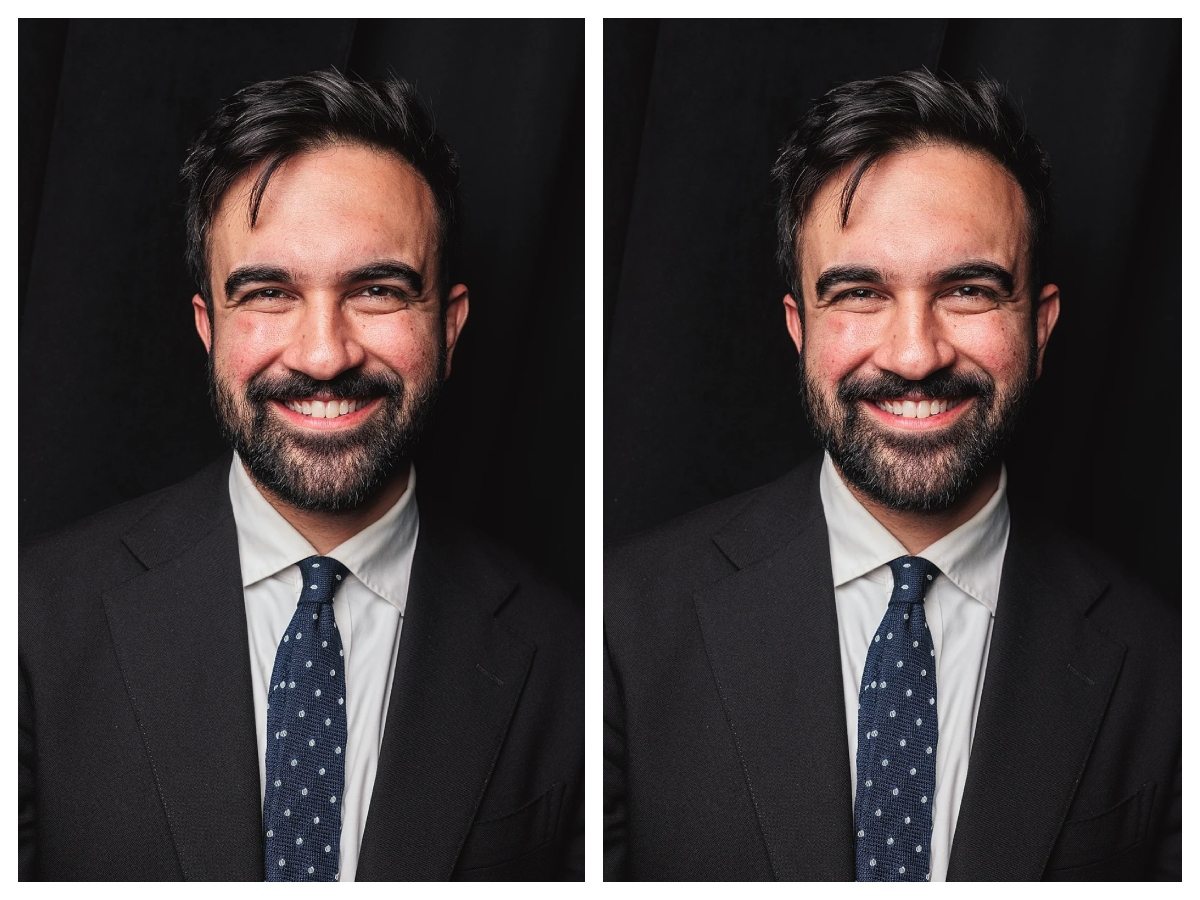
Zohran Mamdani stepped into office just after midnight Thursday, beginning his tenure as New York City’s mayor in a setting rooted in history. The oath was administered inside the long-closed City Hall subway station in Lower Manhattan.
A Democrat, Mamdani became the first Muslim to lead the nation’s largest city, swearing in with his hand placed on a Quran. New York Attorney General Letitia James, a close political ally, presided over the brief, private ceremony.
“This is truly the honor and the privilege of a lifetime,” Mamdani said in his first remarks as mayor.


READ ALSO: Zohran Mamdani schools immigrant New Yorkers on their right to say no to ICE
He used the moment to reflect on the symbolism of the location, describing the former subway station as a reminder of how vital public transportation is to the city’s past and future. He also announced his choice for transportation commissioner, naming Mike Flynn to lead the department.
The short event ended on a light note. “Thank you all so much, now I will see you later,” Mamdani said with a smile before heading up the stairs and out of the station.
A larger, public swearing-in ceremony is scheduled for 1 p.m. at City Hall, where U.S. Sen. Bernie Sanders will administer the oath. The celebration will continue with a public gathering along Broadway’s Canyon of Heroes, a stretch long associated with New York’s most famous parades, AP reported.
Mamdani now takes on one of the most demanding jobs in American politics, stepping into the role as one of the country’s most closely watched mayors. At 34, he is the youngest person to hold the office in generations. He is also the city’s first mayor of South Asian descent and the first born in Africa.
His rise was fueled by a campaign centered on affordability, a message that resonated in a city where the cost of living continues to climb. A democratic socialist, Mamdani pledged sweeping changes, including free child care, fare-free buses, a rent freeze for roughly one million apartments, and a pilot program for city-run grocery stores.
The job, however, extends well beyond policy vision. Day-to-day responsibilities such as sanitation, snow removal, transit reliability and public safety will quickly test the new administration.
READ ALSO: Zohran Mamdani makes history as NYC’s first Muslim, South Asian mayor
Born in Kampala, Uganda, Mamdani is the son of filmmaker Mira Nair and scholar Mahmood Mamdani. He moved to New York City at age seven and grew up in the years following the September 11 attacks, a period he has said was often unwelcoming to Muslims. He became a U.S. citizen in 2018.
Before running for mayor, Mamdani worked on local political campaigns and was elected to the New York State Assembly in 2020, representing a district in Queens.
He and his wife, Rama Duwaji, will leave their one-bedroom rent-stabilized apartment to move into Gracie Mansion, the official mayoral residence.
Mamdani assumes office as the city shows signs of recovery from the pandemic years. Violent crime has fallen to pre-COVID levels, tourism has rebounded, and unemployment has returned to where it stood before the crisis. Still, persistent concerns over housing costs and inflation remain at the forefront for many New Yorkers.
He will also have to navigate a complex relationship with President Donald Trump. During the campaign, Trump warned he might withhold federal funding if Mamdani won and floated the idea of deploying the National Guard to the city. Yet after the election, the two met at the White House in what both sides described as a cordial conversation.
“I want him to do a great job and will help him do a great job,” Trump said at the time.
Despite that tone, friction is expected, particularly over immigration policy and federal oversight of the city.
Mamdani also faces criticism from segments of the Jewish community over his past remarks about the Israeli government, an issue that has drawn sustained attention since the campaign.
READ ALSO: How Mamdani’s New York City mayoral victory is inspiring Uganda’s youth
In preparation for taking office, his team has spent weeks building out the new administration, drawing on experienced figures from within city government. One notable decision was keeping Police Commissioner Jessica Tisch in her role, a move seen as an effort to reassure business leaders and residents concerned about public safety and stability.