

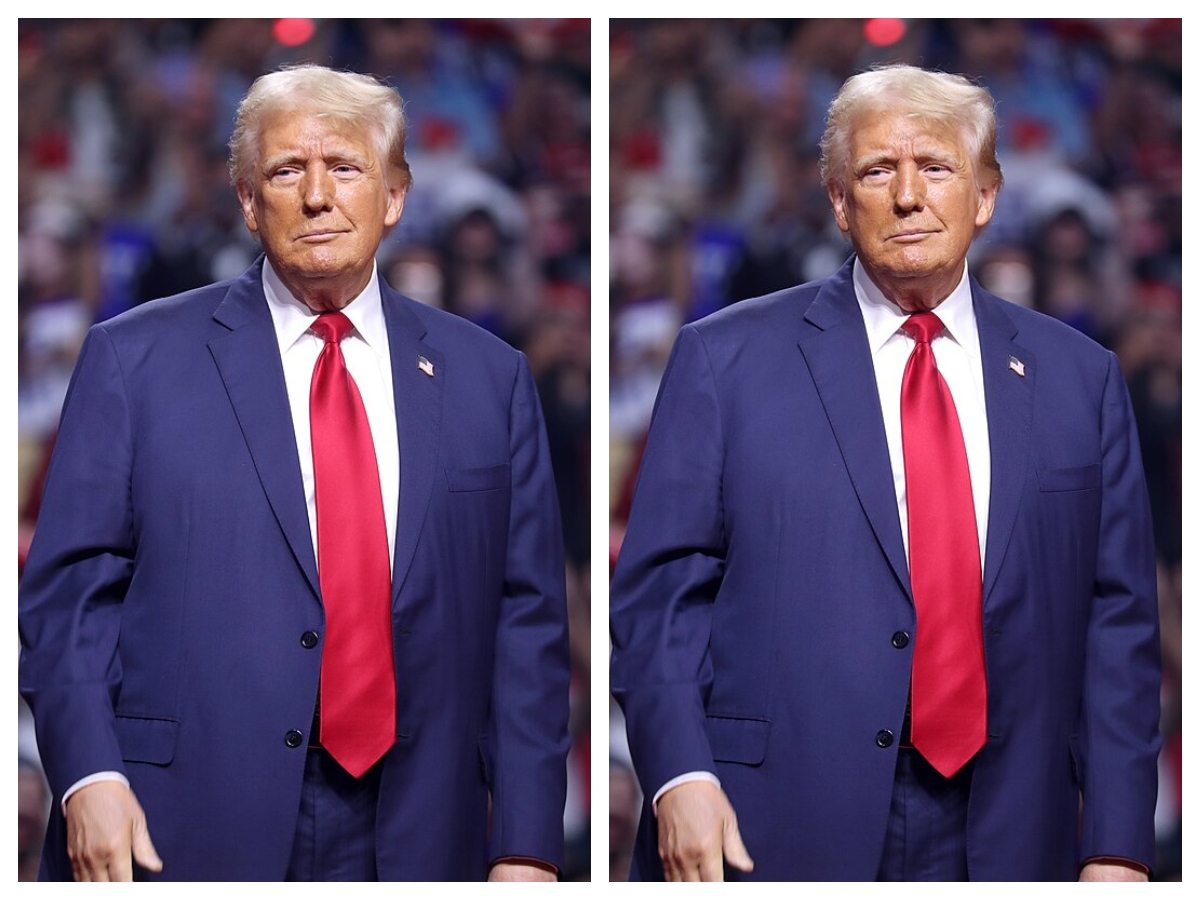
A group of Senate Democrats is pushing to return roughly $175 billion in tariff revenues that the Supreme Court recently determined were collected under illegal orders issued by President Donald Trump.
Sens. Ron Wyden of Oregon, Ed Markey of Massachusetts, and Jeanne Shaheen of New Hampshire introduced legislation on Monday that would direct U.S. Customs and Border Protection to issue refunds within 180 days, including interest on the returned amounts. The plan emphasizes small businesses while encouraging larger companies and importers to pass the refunds on to their customers.
“Trump’s illegal tax scheme has already done lasting damage to American families, small businesses and manufacturers who have been hammered by wave after wave of new Trump tariffs,” Wyden said. He called putting money back into the hands of small businesses and manufacturers the “crucial first step” toward fixing the problem.

READ ALSO: Supreme Court blocks Trump tariff plan, President signals immediate countermove
Although the bill faces slim chances of becoming law, it signals a growing effort by Democrats to pressure an administration that has shown little interest in returning tariff revenues following the Supreme Court’s 6-3 decision last Friday. Heading into November’s midterm elections, Democrats are framing the issue as Trump illegally raising taxes and refusing to repay the money to the American people.
Shaheen said restoring balance to the economy begins with “President Trump refunding the illegally collected tariff taxes that Americans were forced to pay.” Markey highlighted the challenges small businesses face, noting they often have “little to no resources” and that a refund process can be “extremely difficult and time consuming” for these companies.
The Trump administration maintains that refund decisions belong in the courts. White House spokesman Kush Desai told reporters, “President Trump used tariffs to actually deliver where Democrats could only talk, so naturally Democrats are rolling up their sleeves to undermine President Trump and the American people – pathetic but unsurprising.”
The Democrats’ campaign could put Republicans on the defensive, forcing them to explain why the government is not acting to return the money. GOP leaders had planned to highlight the income tax cuts Trump signed last year as a campaign point, presenting refunds as a way to benefit families.
READ ALSO: EU demands clarity after U.S. court sinks Trump tariffs
Treasury Secretary Scott Bessent told CNN on Sunday that framing the discussion around refunds is “bad” because the Supreme Court did not rule on the matter. He emphasized that any repayments would come through ongoing lawsuits, not presidential action. “It is not up to the administration — it is up to the lower court,” Bessent said, adding that he would “wait” for a court opinion before offering guidance.
Trump has defended his use of the 1977 International Emergency Economic Powers Act to impose sweeping tariffs, arguing that the measures ended military conflicts, increased federal revenue, and strengthened U.S. negotiating power.
According to the University of Pennsylvania’s Penn Wharton Budget Model, the refunds could total $175 billion, roughly $1,300 per U.S. household. Structuring these reimbursements is complicated, since the costs of tariffs were passed on both directly to consumers and indirectly through importers.
The president has also claimed refunds could increase government debt and harm the economy. On Friday, he suggested the process might extend beyond his presidency. “I guess it has to get litigated for the next two years,” he said, later revising the estimate to “We’ll end up being in court for the next five years.”
READ ALSO: Judge blasts Trump administration over ‘terror’ in immigration enforcement