
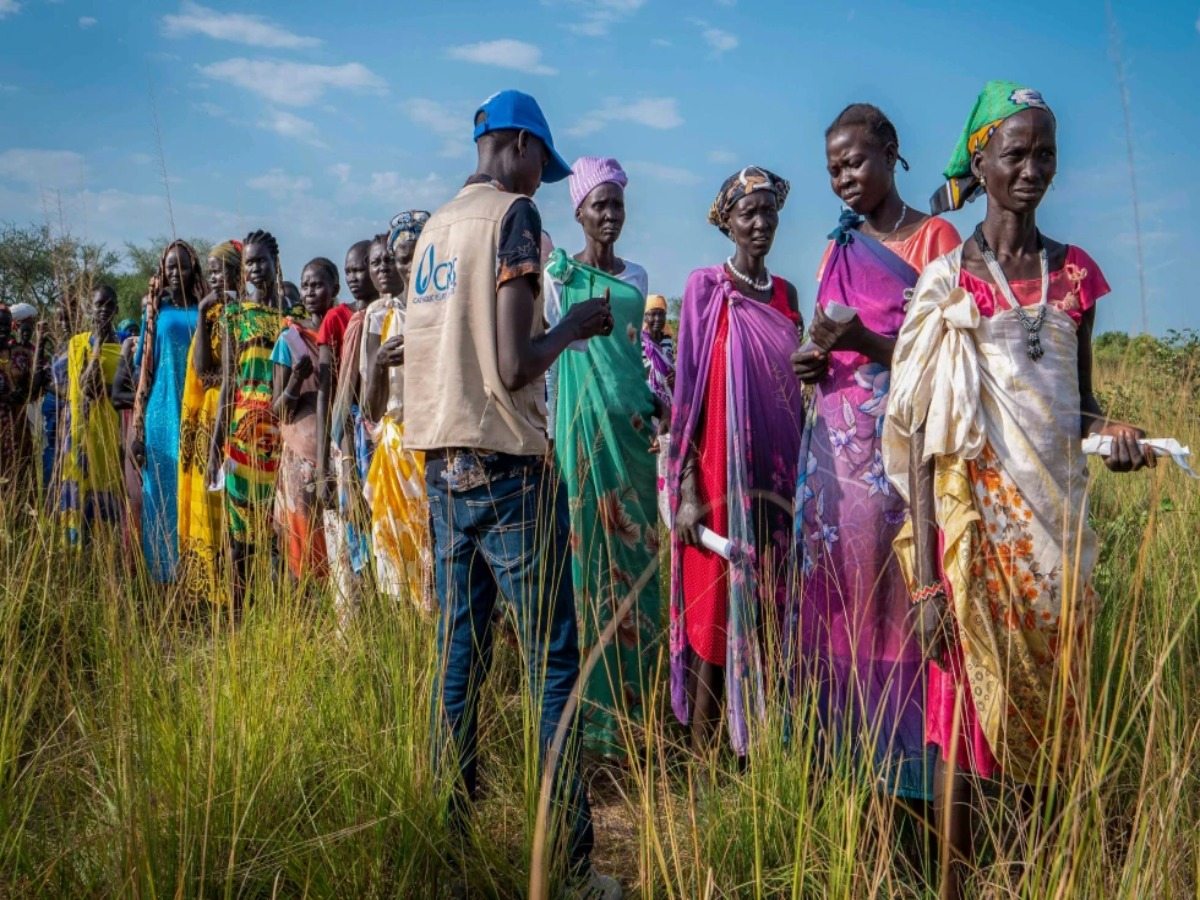
Aid groups are warning that a tightening security clamp in South Sudan’s eastern Jonglei State is pushing thousands of civilians closer to catastrophe, with violence cutting off food supplies, medical care and humanitarian access as displacement continues to rise.
Humanitarian organizations said on Monday that access restrictions in Jonglei have left large numbers of people without lifesaving assistance, prompting concern from the United Nations over an increasing population of newly displaced families. The situation has worsened as fighting spreads across key areas of the state.
The International Rescue Committee said the deteriorating security environment has already forced it to halt operations in some locations. Its country director in South Sudan, Richard Orengo, said that “intensified fighting and the militarization of key areas have forced the suspension of services.”
RELATED STORIES



READ ALSO: South Sudan’s new offensive explained: What’s at stake for civilians
Medical group Doctors Without Borders, known by its French name Médecins Sans Frontières or MSF, said the government has grounded all humanitarian flights, severing supply lines and blocking staff movement and emergency evacuations. The organization said at least 23 critically ill patients, including children and pregnant women, urgently need to be flown out for treatment.
Food insecurity is also deepening. The World Food Program warned that escalating violence could cut off food aid to hundreds of thousands of people, with nearly 60 percent of Jonglei’s population projected to face crisis-level hunger during the coming rainy season. Heavy rains typically make roads impassable, and insecurity has prevented the early prepositioning of food and supplies.
The U.N. and humanitarian agencies say civilians are paying the highest price as Jonglei, one of South Sudan’s most fragile regions, edges toward collapse. The renewed fighting has revived fears of a return to full-scale war, despite an eight-year-old peace deal meant to stabilize the country.
Homes have been burned, civilians killed in crossfire, and families repeatedly uprooted as clashes between government forces and fighters aligned with the Sudan People’s Liberation Army–In Opposition, or SPLA-IO, expand. Forces loyal to opposition leader Riek Machar, alongside allied White Army fighters, have recently gained ground against government troops.
READ ALSO: South Sudan president fires interior minister, sparking fears of peace deal collapse
Alarm has also grown over rhetoric from a senior army commander who urged advancing troops in Jonglei to “spare no lives.” The U.N. Commission on Human Rights in South Sudan said it was in “grave alarm” over developments that it warned “significantly heighten the risk of mass violence against civilians.” Opposition figures described the remarks as an “early indicator of genocidal intent.”
Government spokesman Ateny Wek Ateny, speaking to The Associated Press, dismissed the comments as “uncalled for” and “a slip of the tongue.”
U.N. Secretary-General António Guterres has appealed to all sides to stop the fighting, safeguard civilians and allow unhindered humanitarian access, stressing that South Sudan’s crisis requires a political rather than military solution.
More than 230,000 people have been displaced since December, according to the U.N. Office for the Coordination of Humanitarian Affairs, or OCHA. The resurgence of violence has placed severe pressure on South Sudan’s fragile 2018 peace agreement and sharpened political tensions ahead of the country’s first general election, scheduled for December.
READ ALSO: U.S. ends temporary protected status for South Sudan as political instability persists