
The United States will begin scaling back its health assistance to Zimbabwe after talks over a proposed multi-million-dollar funding agreement collapsed.
Government spokesperson Nick Mangwana said the breakdown stemmed from concerns over data sharing, fairness, national sovereignty, and the United States’ broader pivot away from global health institutions.
Under the proposed arrangement, the U.S. would have provided $367 million over five years to support Zimbabwe’s priority health programs, including HIV/AIDS treatment and prevention, tuberculosis, malaria, maternal and child health, and disease outbreak preparedness, according to the U.S. embassy in Zimbabwe.


“This would have represented the largest potential health investment in Zimbabwe by any international partner, providing extraordinary benefits for Zimbabwean communities — especially the 1.2 million men, women, and children currently receiving HIV treatment through U.S.-supported programs,” U.S. ambassador Pamela Tremont said in a statement on Tuesday.
She added, “We will now turn to the difficult and regrettable task of winding down our health assistance in Zimbabwe. Zimbabwe has indicated it is prepared to continue its HIV response independently. We wish them well.”
For years, the U.S. has been Zimbabwe’s largest bilateral health donor, providing nearly $2 billion in assistance since 2006. The U.S. credits this support with Zimbabwe’s progress in meeting United Nations targets for HIV testing, treatment, and viral load suppression.
Zimbabwe has also begun rolling out lenacapavir, a long-acting HIV prevention drug administered twice a year, with support from the U.S. President’s Emergency Plan for AIDS Relief (PEPFAR) in partnership with the Global Fund. The funding dispute raises uncertainty about future deliveries under the program.
Mangwana said Zimbabwe rejected the U.S. proposal because it included conditions that could not be accepted. “The United States proposal was tied to comprehensive access to Zimbabwe’s sensitive health data, including virus samples and epidemiological information from our citizens,” he said.
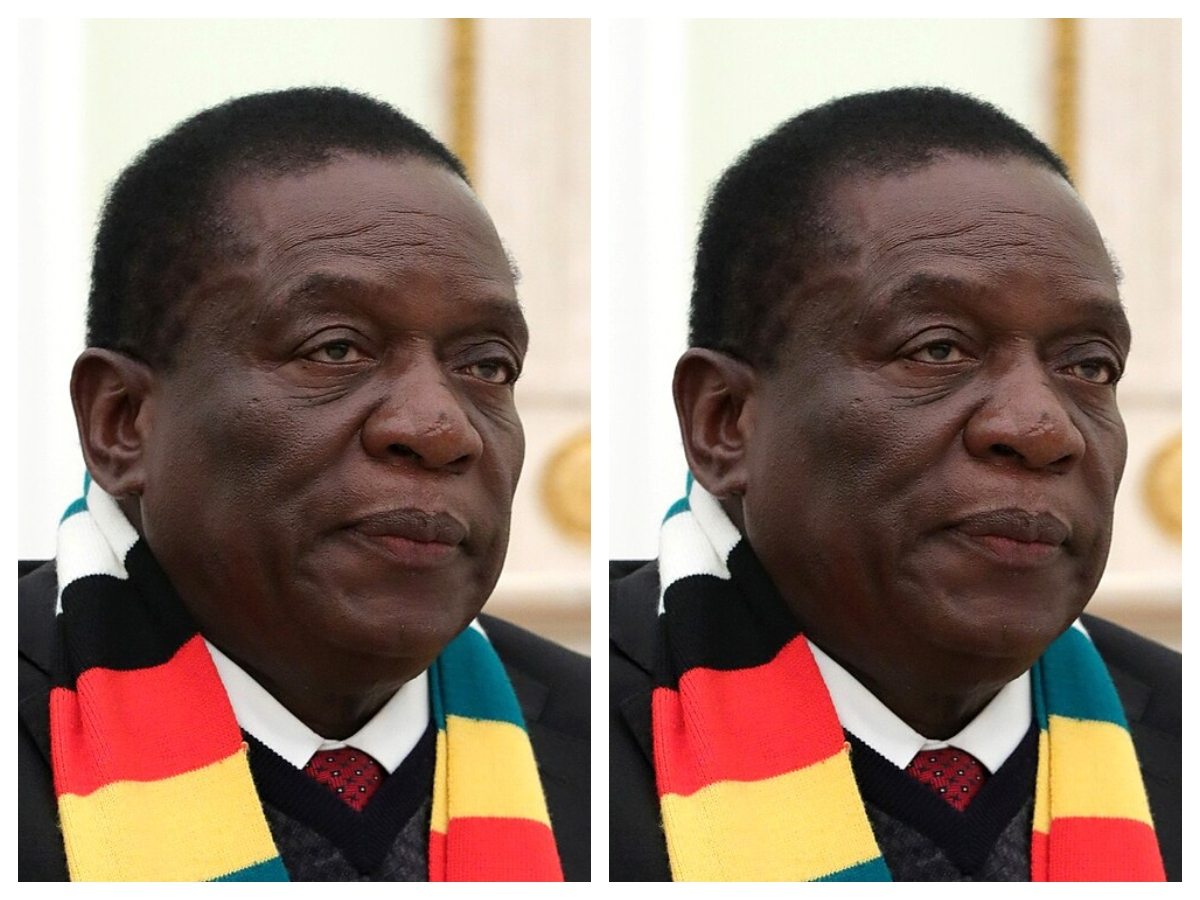
President Emmerson Mnangagwa reportedly instructed the termination of negotiations after the U.S. refused to guarantee that any medical innovations derived from the shared data, such as vaccines, diagnostics, or treatments, would be accessible to Zimbabweans.
“The United States was not offering reciprocal sharing of its own epidemiological data with our health authorities,” Mangwana explained. “In essence, our nation would provide the raw materials for scientific discovery without any assurance that the end products would be accessible to our people should a future health crisis emerge.”
Zimbabwe’s College of Public Health Physicians urged the government to continue discussions, warning that abrupt aid cuts could disrupt treatment, increase transmission, fuel drug resistance, and further strain the health system.
Like many low-income countries, Zimbabwe has struggled with the impact of aid reductions since the Trump administration, although some programs continued under PEPFAR. In January, the U.S. withdrew from the World Health Organization, signaling a broader restructuring of its global health engagement.
The U.S. has since pursued bilateral “America First” health agreements, replacing multilateral arrangements previously coordinated through USAID. Agreements totaling more than $18 billion have been signed with 16 African nations, with recipient countries contributing roughly $7.1 billion to encourage local investment in health systems, the U.S. embassy said.
Several countries have already implemented these deals. Nigeria reached an agreement focused on Christian-based health facilities, while Rwanda and Uganda also signed pacts. Some agreements, including those with Rwanda and Côte d’Ivoire, incorporate private U.S. sector investment. In Kenya, a December deal is on hold after the High Court suspended implementation over data safety concerns.
Zimbabwean officials criticized the bilateral model as a “departure from multilateral frameworks” and insisted that virus data with pandemic potential should only be shared through the WHO system.
“This system is designed to ensure that when a country contributes its data, the benefits — including vaccines and treatments — are shared equitably, not commercialized exclusively by those with the resources to develop them,” Mangwana said.