
A suspected recruiter accused of funneling Kenyans into Russia’s war effort has been taken into custody, as authorities move to dismantle what they describe as a trafficking network masked as overseas employment.
Festus Omwamba was arrested in Moyale, a northern town near Kenya’s border with Ethiopia, on suspicion of human trafficking. He was later arraigned before an antiterror court in Nairobi on Thursday, facing charges linked to the alleged trafficking of 25 Kenyans to Russia last year. Police spokesperson Michael Muchiri said Omwamba had returned from Russia and was attempting to flee when he was apprehended.
His name had surfaced repeatedly in testimonies from Kenyan recruits who said they were promised skilled jobs in Russia but instead found themselves deployed to the battlefields of Ukraine. Three of those recruits, who spoke to The Associated Press, identified Omwamba as the man who handled their travel arrangements.


READ ALSO: Report claims 1,000 Kenyans lured with job promises, deployed to Russia’s war in Ukraine
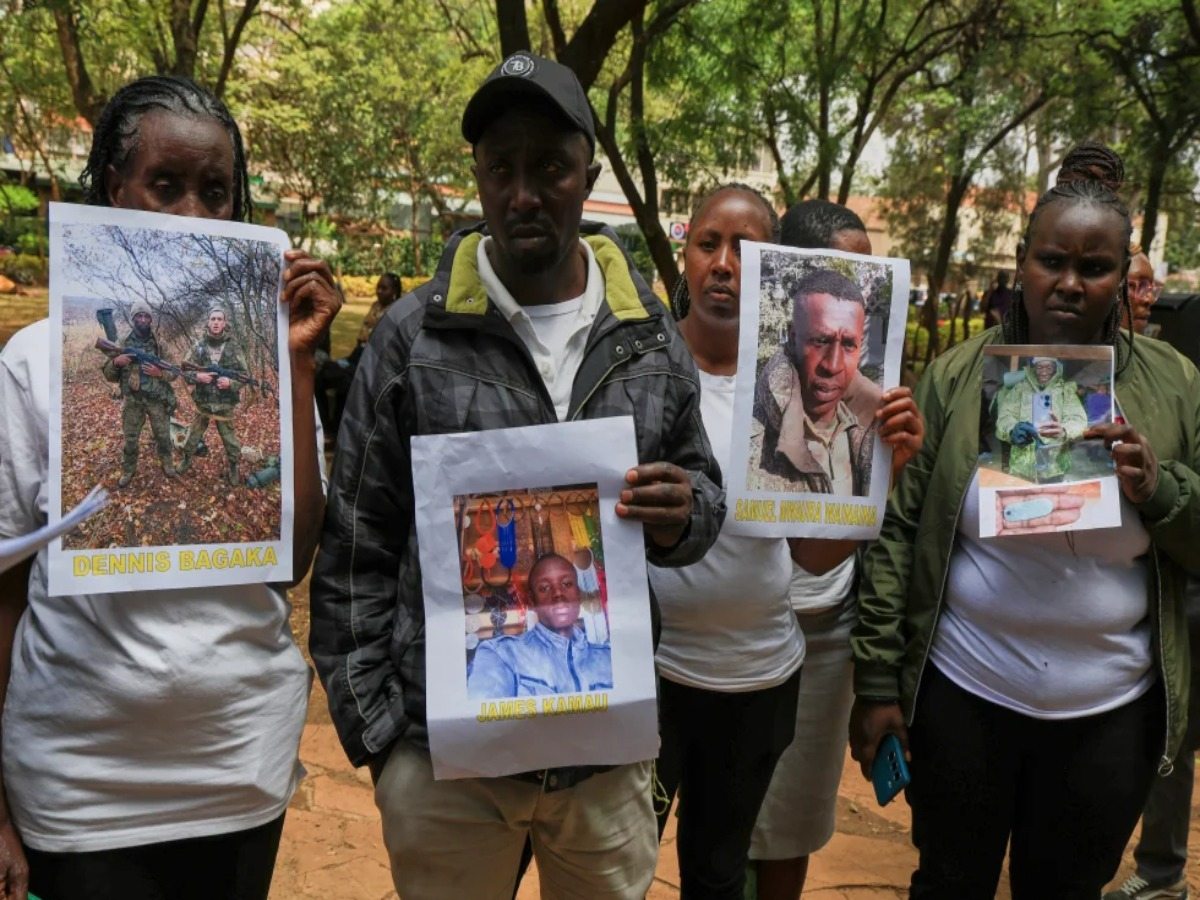
For weeks, families of missing men had staged protests, demanding answers over relatives who vanished after travelling abroad for what they believed were legitimate job opportunities. During that period, Omwamba had disappeared from public view.
The Kenyan government disclosed last week that more than 1,000 citizens had been recruited to fight for Russia in Ukraine. According to officials, 89 Kenyans remain on the front line, 39 are hospitalized, and 28 are missing in action. Others have since returned home. At least one death has been confirmed.
An intelligence brief tabled in Parliament by Majority Leader Kimani Ichung’wah alleged collusion between Kenyan and Russian officials and rogue recruitment agencies to channel job seekers into combat roles.
The Russian Embassy in Kenya rejected the claims. In a statement issued last Thursday, it said it had not granted visas to anyone travelling to Russia to participate in the war in Ukraine. It added: “The Russian Federation does not preclude citizens of foreign countries from voluntarily enlisting in the armed forces.”
Kenya’s Foreign Minister Musalia Mudavadi told the AP on Feb. 9 that he planned to visit Russia in what he described as a “diplomatic approach to rein in any dubious entities that are taking advantage of anyone in this misadventure.”
He said the government was also working to secure the release of Kenyans detained in Ukrainian prisons and to bring back those stranded in Russia.
“You recall that even at the highest level, the president made an appeal that if indeed there are Kenyans who have found themselves on the wrong side of the law, the appeal was made to the Ukrainian government to look at how they can be processed and brought back,” the minister explained.
READ ALSO: Former British soldier battles Kenya extradition in Agnes Wanjiru murder case
Omwamba’s arrest marks a significant step in the government’s attempt to stem the flow of Kenyan recruits into the conflict.
One of those recruits, John Kamau, who fled the front line and sought refuge at the Kenyan Embassy in Russia before being processed for return home, told the AP that he first met Omwamba at a Nairobi residence where prospective recruits were housed while awaiting travel.
Another recruit, who asked not to be named for fear of reprisals, said Omwamba deliberately avoided written communication. Instead of text messages, he relied on phone calls or face-to-face meetings.
The anonymous recruit said he had signed up after being promised a plumbing job in Russia. Upon arrival, his passport was confiscated. He was taken to a military camp for a few days and then deployed to the front line.
All the recruits interviewed said Omwamba managed their tourist visa applications and flight bookings. Within two weeks of their initial contact with him, visas had been secured and travel arrangements completed, sending them on a journey that led not to construction sites but to combat.
READ ALSO: Kenyan family demands UK extradite soldier suspect in 2012 death of Agnes Wanjiru