
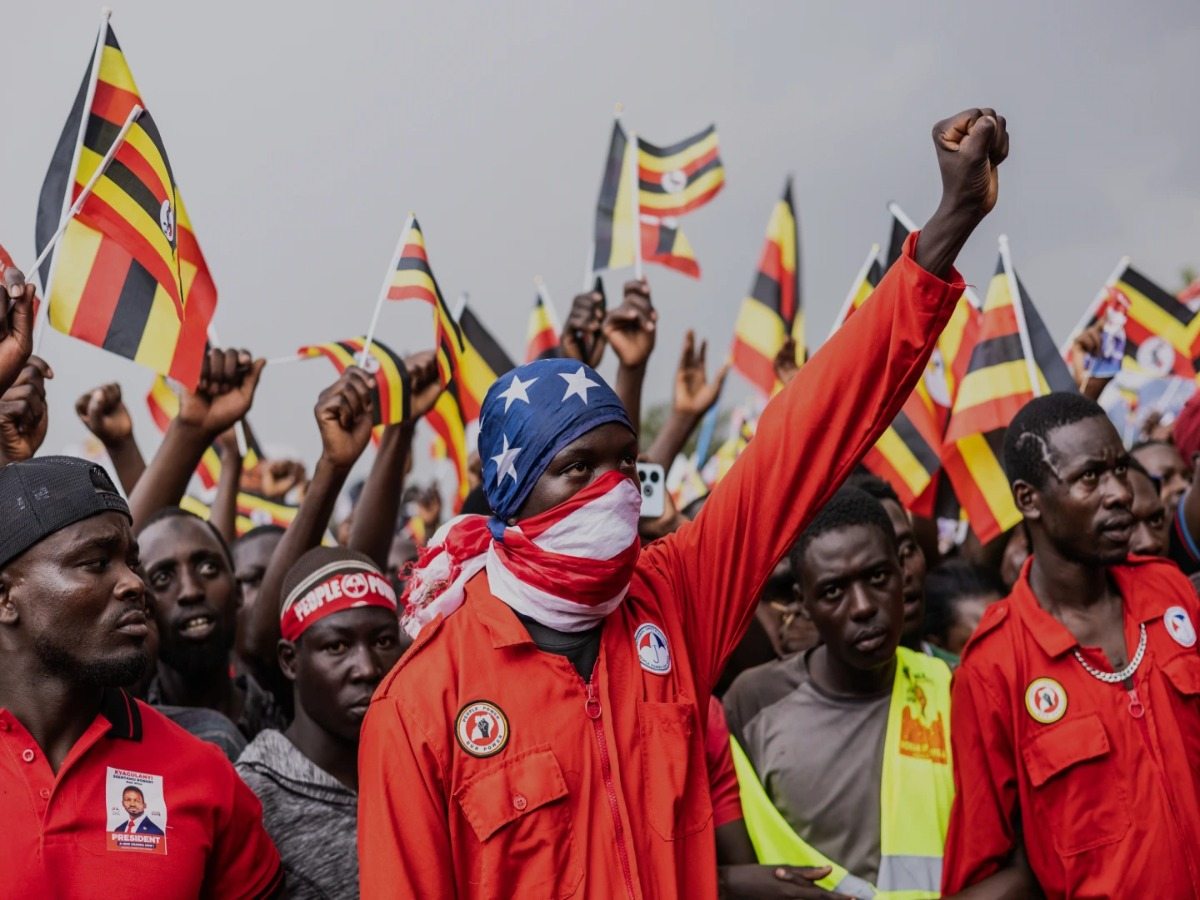
Uganda heads to the polls on Thursday amid deep unease about the integrity of the vote and the future direction of the country. The election is widely expected to keep the long-serving president in office, even as concerns mount over transparency, the growing role of the military, and an opposition push to guard against manipulation at polling stations.
President Yoweri Museveni, in power since 1986, is seeking a seventh term that would extend his rule toward the half-century mark. Challenging him most forcefully is Robert Kyagulanyi, the pop star turned politician better known as Bobi Wine. At 43, Wine has emerged as the symbol of a younger generation pressing for political change.
Six other contenders are also on the ballot in the East African nation of about 45 million people. The electoral commission says 21.6 million voters are registered to participate.
RELATED STORIES


Most analysts believe Museveni will prevail, but they note that at 81, he has become increasingly dependent on the security services to maintain control. The military is headed by his son, Gen. Muhoozi Kainerugaba, widely viewed as a potential successor. Wine and his allies accuse the armed forces of inserting themselves directly into the electoral process.
Tensions heightened days before voting. On Tuesday, with less than 48 hours to go, the Uganda Communications Commission ordered internet service providers to cut off public access to the internet and halted the sale and registration of new SIM cards.
The commission said the shutdown was “necessary to mitigate the rapid spread of online misinformation, disinformation, electoral fraud, and related risks,” adding that authorities feared violence that could threaten national security.
For democracy advocates, the blackout dealt a serious blow. Activists frequently rely on online platforms to document alleged abuses such as ballot stuffing and other irregularities that have long dogged Ugandan elections.
Wine’s National Unity Platform has urged supporters to remain near polling centers after casting their ballots to deter tampering. Under Ugandan law, voters may gather up to 20 meters, or 65 feet, from polling stations. Election officials, however, have encouraged people to vote and leave, possibly returning later for the counting.
READ ALSO: Uganda election nears as security forces face accusations of brutal opposition crackdown
That disagreement has fueled public debate and heightened fears of clashes if security forces attempt to enforce the electoral body’s guidance.
“The first step is for all of us to stay at the polling stations (while observing the 20-metre distance) and ensure that nothing criminal happens,” Wine wrote Tuesday on X. “We implore everyone to use their cameras and record anything irregular.”
Museveni has taken a harder line. In a New Year’s Eve address, he said he had advised security forces to use tear gas against crowds linked to what he described as “the criminal opposition.”
The opposition leader says the climate echoes his first presidential run in 2021, when he was repeatedly arrested and assaulted, his clothes torn during encounters with police, and dozens of his supporters jailed. In a recent interview with The Associated Press, Wine said at least three of his supporters had been killed during the current campaign, alleging that “the military has largely taken over the election.”
International observers have also raised alarms. The Office of the United Nations High Commissioner for Human Rights in Geneva has reported “widespread repression,” citing cases of abduction and enforced disappearances targeting opposition backers.
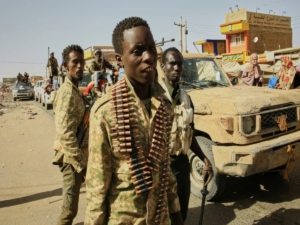
Ugandan authorities dispute those claims, insisting the campaigns have been largely calm. Still, soldiers began deploying across parts of Kampala over the weekend, with armored vehicles stationed in several neighborhoods and troops patrolling major roads.
Military spokesman Col. Chris Magezi said the deployment was intended to prevent unrest and dismissed suggestions that it undermined democratic norms.
Museveni’s grip on power has endured for nearly four decades, reinforced by constitutional changes that removed presidential term and age limits and by the sidelining or imprisonment of rivals. Despite his longevity, the ruling National Resistance Movement has no clearly defined successor at its highest levels.
READ ALSO: How Mamdani’s New York City mayoral victory is inspiring Uganda’s youth
Kainerugaba has openly expressed interest in replacing his father, a prospect that has intensified fears of dynastic succession. The four-star general has courted controversy through social media posts widely condemned as inflammatory, including remarks about beheading Wine and hanging veteran opposition figure Kizza Besigye, who has faced treason charges he says are politically motivated.