

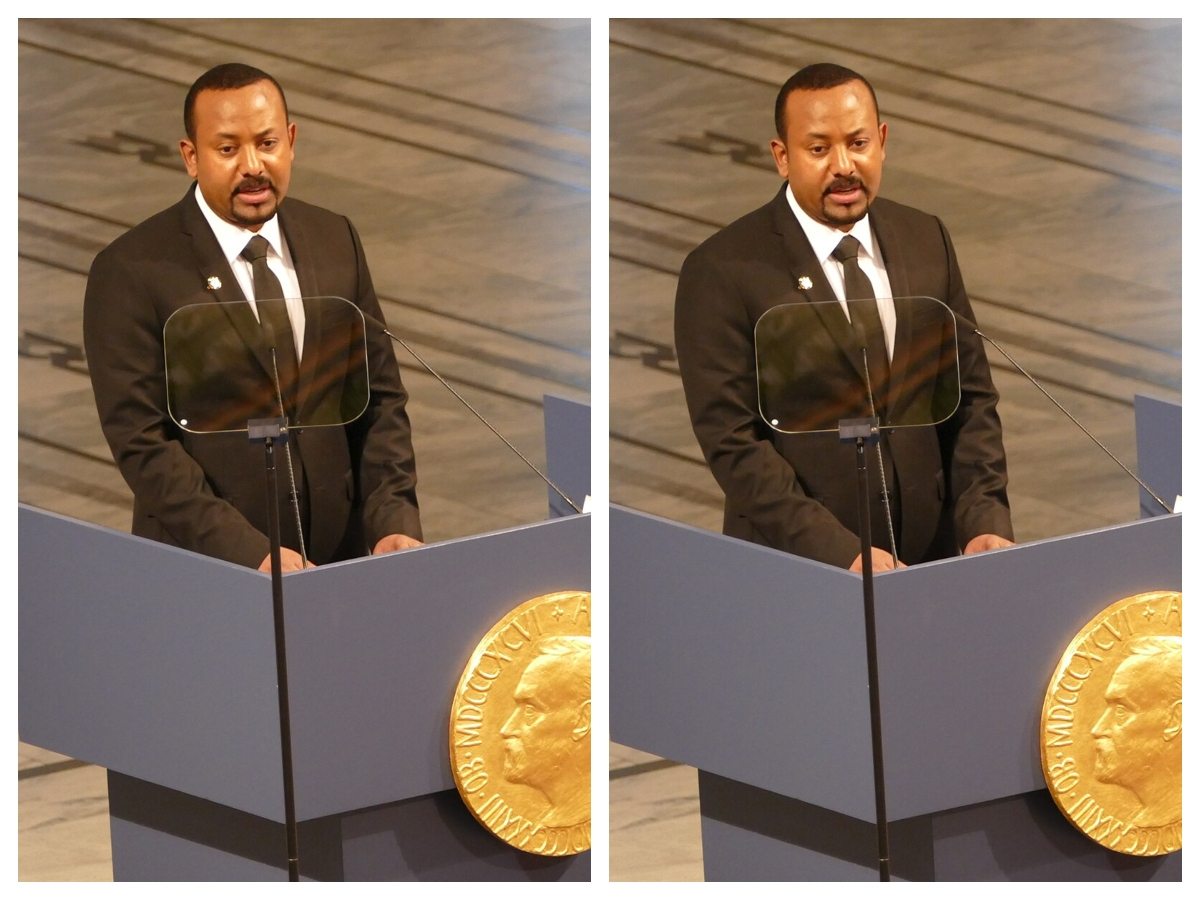
Ethiopia’s leadership has publicly blamed Eritrean soldiers for atrocities committed during the now-ended Tigray conflict, marking the first time the country has openly assigned such responsibility. The accusation surfaced as fresh reports point to rising tensions and sporadic violence in the northern region.
Speaking before lawmakers on Tuesday, Prime Minister Abiy Ahmed said Eritrean troops who fought alongside Ethiopian forces were responsible for widespread killings during the two-year war, which is estimated to have claimed more than 400,000 lives.
The Tigray war pitted Ethiopian federal troops and their Eritrean allies against regional fighters, with hostilities ending in 2022 after a peace accord was reached.
RELATED STORIES




READ ALSO: Ethiopia grounds Tigray flights as war fears resurface
Eritrea quickly dismissed the allegations. Information Minister Yemane Gebremeskel, in comments to The Associated Press, described Ahmed’s remarks as “cheap and despicable lies” and insisted they did not deserve a response.
Relations between the two countries have deteriorated sharply, with each government warning of the other’s alleged role in stirring conflict. Ethiopian officials have accused Eritrea of backing insurgent groups, while Asmara has argued that Ethiopia’s real aim is to secure access to maritime trade routes.
“The rift did not begin with the Red Sea issue, as many people think,” Ahmed told parliamentarians. “It started in the first round of the war in Tigray, when the Eritrean army followed us into Shire and began demolishing houses, massacred our youth in Axum, looted factories in Adwa, and uprooted our factories.”
“The Red Sea and Ethiopia cannot remain separated forever,” he added.
Ethiopia became landlocked after Eritrea gained independence in 1993, ending a prolonged armed struggle that reshaped the Horn of Africa.
Gebremeskel countered that Abiy’s position has shifted dramatically over time, particularly regarding Ethiopia’s push for sea access.
Ahmed “and his top military brass were profusely showering praises and State Medals on the Eritrea army and its senior officers. … But when he later developed the delusional malaise of ‘sovereignty access to the sea’ and an agenda of war against Eritrea, he began to sing to a different chorus,” he said.
The two nations once appeared to be moving toward lasting peace after Abiy assumed office in 2018. The rapprochement earned him the Nobel Peace Prize for brokering reconciliation with Eritrea.
Tensions have since returned. In June, Eritrea claimed Ethiopia was pursuing a calculated plan to capture its Red Sea ports, while Ethiopian officials recently alleged that Eritrea was preparing for another military confrontation.
Regional observers warn that alliances could be shifting again. Analysts say Eritrea may be strengthening ties with factions in Tigray, as reports of renewed clashes have surfaced in recent weeks. Ethiopian Airlines also suspended flights to the region last week, citing the deteriorating security situation.