
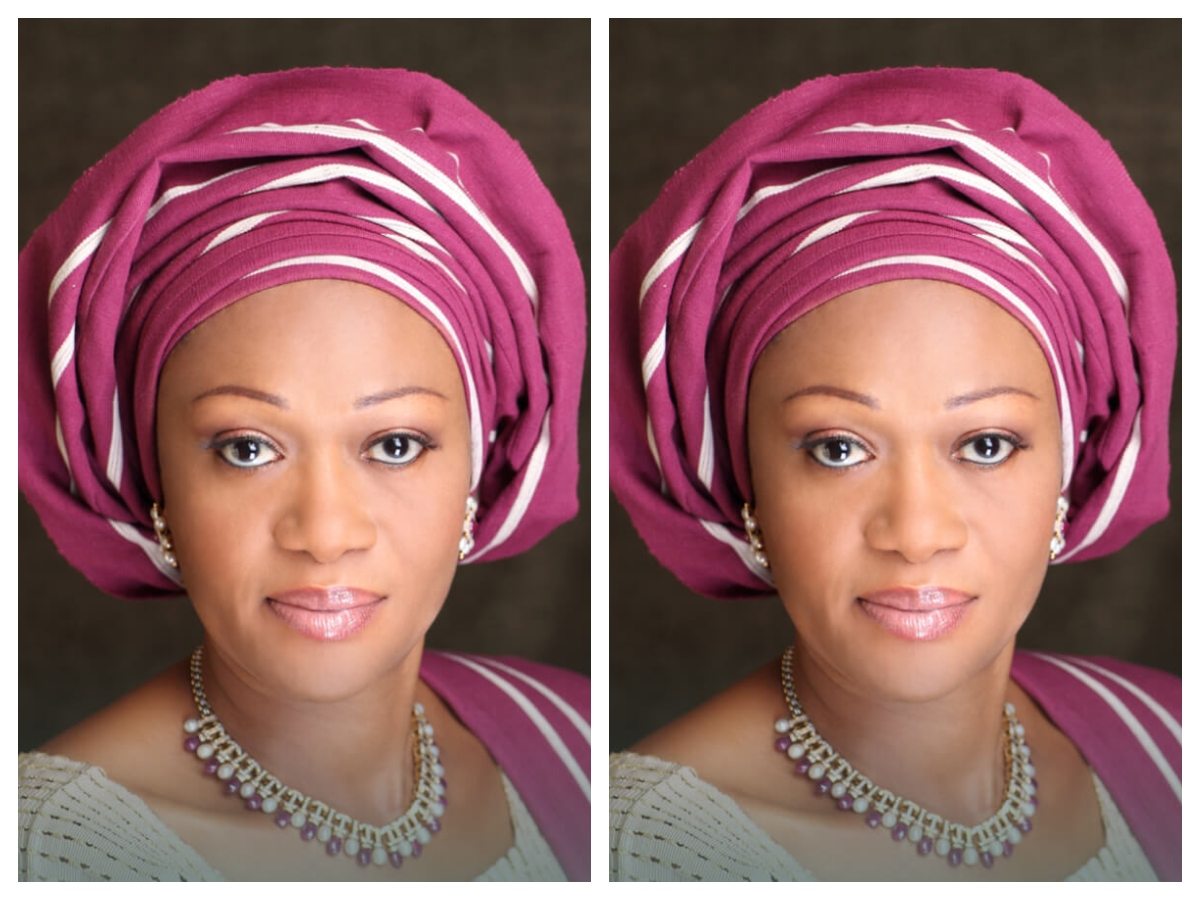
Nigeria’s ongoing security crisis and tensions with the United States over religious violence took center stage this week as First Lady Oluremi Tinubu traveled to the U.S. capital to address concerns and reinforce ties between both countries.
Speaking during her visit, Tinubu welcomed recent American military action against militants in northwestern Nigeria, describing it as helpful to her country’s battle against insurgents and criminal groups. She indicated that Nigeria is eager to deepen cooperation with the U.S. as violence continues to challenge national stability.
“The intervention of the U.S. was quite a welcome development,” Tinubu told Fox News Digital during a week-long visit to Washington, D.C.


“Nigeria is looking forward to collaboration” with the U.S. on security issues. “We are expecting that there will be more.”
Her remarks come amid long-standing disagreements between Nigeria and some American lawmakers about the nature of extremist violence and whether Christians are being specifically targeted. The issue has gained visibility in U.S. political circles, including scrutiny from President Donald Trump and several conservative allies.
Trump previously labeled Nigeria a “country of particular concern” over religious freedom violations. Nigerian authorities, however, have consistently rejected claims that attacks are directed at one religious group, insisting the violence affects citizens across faiths and regions.
Recent attacks have reinforced the complexity of the conflict. Earlier this year, gunmen believed to be linked to extremist factions killed at least 162 people in Kwara State. The assault, which involved burning homes and looting businesses in predominantly Muslim communities, targeted residents who resisted extremist ideology, highlighting how the crisis now transcends religious divisions.
“Terrorist groups hide in the forest, and also bandits and other people are kidnapping for ransom,” Tinubu said.
“We are concerned about our people’s safety,” she added, outlining steps taken by the federal government. These measures include declaring a nationwide security emergency, recruiting 50,000 additional police officers and transferring more than 11,000 officers from VIP protection roles to volatile regions.
Tinubu noted that heightened American concern about Christian casualties has opened dialogue channels between both governments.
READ ALSO: 162 killed as Islamic militants unleash coordinated carnage on two Nigerian villages
“We have that attention. We have the conversation going. And we are expecting that there will be more. You know, it’s going to yield better fruit for us, and both for us and also America.”
During meetings with senior U.S. officials, she said she worked to present Nigeria’s perspective on the security situation and clarify misconceptions about the country’s internal challenges.
“We live in Nigeria. We know the situation on the ground,” she said.
Apart her ceremonial role, Tinubu has built her own political and social profile. She served in Nigeria’s Senate until 2023 and is part of an interfaith household during a period of heightened religious sensitivity in the country. Tinubu is a Christian pastor with the Redeemed Christian Church of God, while President Bola Ahmed Tinubu practices Islam.
Through her Christian-focused podcast and the Renewed Hope Initiative, a nonprofit tied to her husband’s policy agenda, she has led outreach programs supporting vulnerable populations. Her Washington trip also positioned her as a prominent Christian figure speaking directly to U.S. leaders examining Nigeria’s handling of religious violence.
Nigeria, home to over 230 million people, is defined by extraordinary diversity, with more than 500 languages spoken nationwide. Religious identities have historically influenced regional divides, with Muslim populations concentrated in the north and Christian communities dominant in the south.
Despite abundant natural resources, including oil and valuable minerals, economic mismanagement and corruption have kept large segments of the population in poverty. Tinubu said her husband’s administration inherited deep structural problems when it assumed office in 2023 and is working to reverse them.
Nigeria’s reserves of lithium, cobalt and nickel have drawn increasing American interest as Washington seeks to counter China’s influence in Africa’s critical mineral supply chains. U.S. agencies, including the Commerce Department and the International Development Finance Corporation, have explored investment possibilities in Nigeria’s emerging lithium sector. However, persistent insecurity in mining zones continues to pose risks to foreign investment and development.
Tinubu emphasized that improving national security is essential to building investor confidence, noting that her U.S. visit also aimed to reassure international partners about Nigeria’s economic potential.
“We’re doing all we can to make sure that when investors come, they can feel comfortable and their investment can yield,” she said.
Violence connected to insurgent movements and organized criminal groups has claimed tens of thousands of lives across Nigeria over the past decade, destabilizing multiple regions. Extremist organizations such as Boko Haram and Islamic State West Africa Province, along with bandit networks that often intersect with militant groups, have been responsible for large-scale killings, abductions and coordinated attacks.
Christian advocacy groups maintain that Christian communities have experienced a disproportionate share of the violence, particularly in rural areas where attacks on churches and clergy are frequent. The International Society for Civil Liberties and Rule of Law estimates that more than 50,000 Christians have been killed and tens of thousands abducted since 2009. While these figures are difficult to independently verify, they are often referenced by U.S. religious freedom advocates pushing for tougher American action.
READ ALSO: U.S. sends military team to Nigeria as security ties deepen amid rising extremist threats
Alongside its security strategy, Nigeria’s government has introduced sweeping economic reforms, including eliminating fuel subsidies and implementing measures to stabilize the national currency. Officials argue that economic recovery and job creation are key to addressing the root causes that enable extremism and armed violence to flourish.