
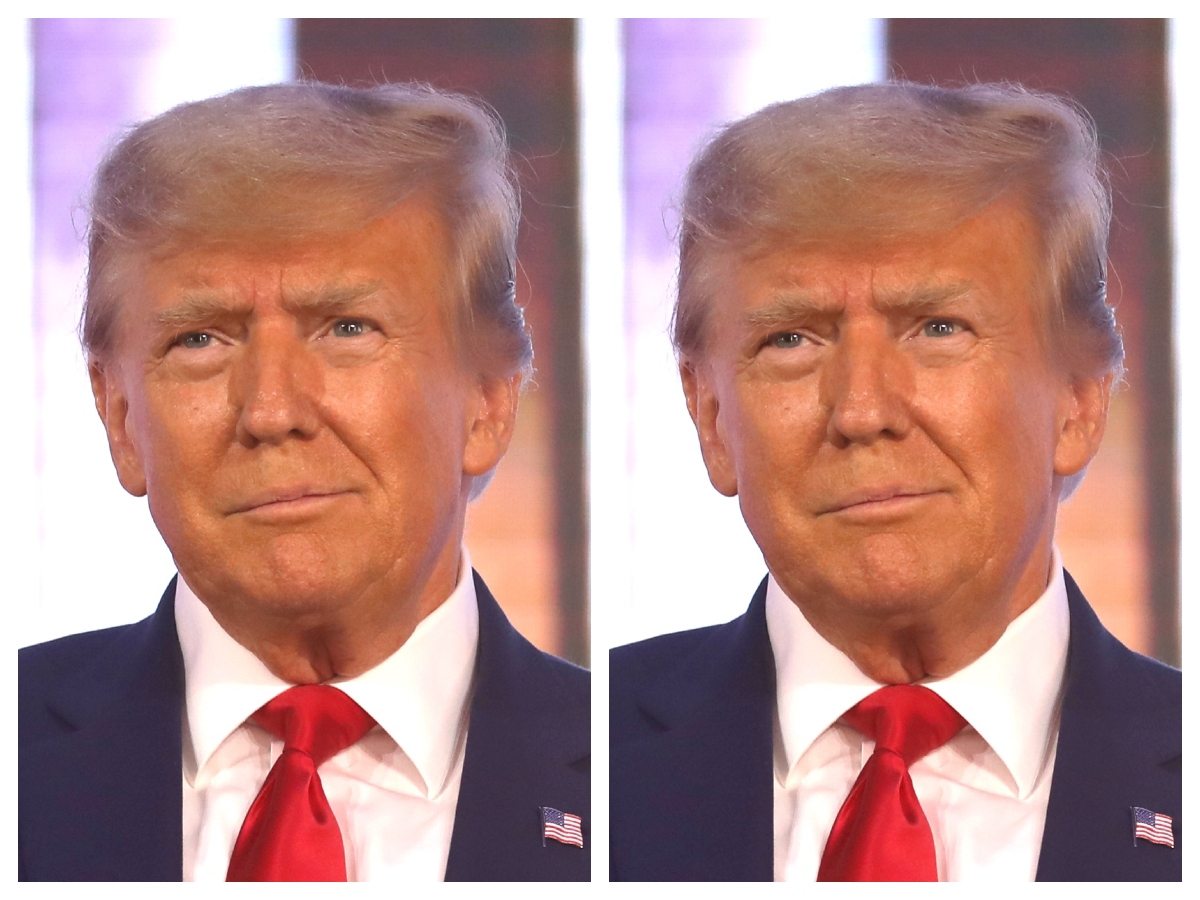
The Supreme Court has blocked President Donald Trump from sending National Guard troops into the Chicago area as part of his immigration enforcement push, dealing a notable blow to the administration’s effort to use military forces in major U.S. cities.
In an order issued Tuesday, the justices rejected the administration’s emergency appeal seeking to lift a lower court ruling that halted the deployment. U.S. District Judge April Perry had barred the move, and a federal appeals court declined to intervene. The Supreme Court waited more than two months before acting.
Justices Samuel Alito, Clarence Thomas and Neil Gorsuch dissented publicly.
RELATED STORIES


READ ALSO: Appeals Court keeps Trump’s National Guard mission in Washington alive
Although the decision does not resolve the case on its merits, it could shape other lawsuits challenging Trump’s attempts to deploy troops in Democratic-led cities across the country.
“At this preliminary stage, the Government has failed to identify a source of authority that would allow the military to execute the laws in Illinois,” the court’s majority wrote.
Justice Brett Kavanaugh said he agreed with keeping the Chicago deployment blocked for now, but indicated he would give the president broader discretion under different circumstances in the future.
The ruling stands out as an uncommon setback for Trump at the Supreme Court. Since returning to office in January, he has frequently prevailed in emergency appeals before the conservative-majority court, which has allowed his administration to bar transgender people from military service, reclaim billions of dollars in congressionally approved spending, intensify immigration enforcement and remove Senate-confirmed leaders of independent agencies.
Illinois Governor JB Pritzker praised the decision, calling it a victory for both the state and the nation.
“American cities, suburbs, and communities should not have to faced masked federal agents asking for their papers, judging them for how they look or sound, and living in fear that the President can deploy the military to their streets,” he said in a report by the AP.
READ ALSO: Court tells Trump to end D.C. National Guard deployment, ruling it overstepped his power
The White House defended the president’s actions. Spokeswoman Abigail Jackson said the National Guard had been activated to protect federal personnel and property from “violent rioters.”
“Nothing in today’s ruling detracts from that core agenda. The Administration will continue working day in and day out to safeguard the American public,” she said.
In dissent, Alito and Thomas argued that the court lacked grounds to dismiss Trump’s claim that troops were necessary to enforce immigration laws. Gorsuch said he would have narrowly sided with the administration based on sworn statements from federal law enforcement officials.
The administration initially asked the court to allow National Guard units from both Illinois and Texas to deploy to Chicago. The roughly 200 troops from Texas were later withdrawn and sent home.
Federal lawyers have argued that the Guard was needed “to protect federal personnel and property from violent resistance against the enforcement of federal immigration laws.”
Judge Perry, however, wrote that there was no meaningful evidence of a “danger of rebellion” in Illinois and no indication that protests had disrupted the administration’s immigration operations.
She first blocked the deployment for two weeks, then, in October, extended the order indefinitely while the Supreme Court considered the case.
Tensions have flared outside a U.S. Immigration and Customs Enforcement facility in the west Chicago suburb of Broadview, where federal agents previously used tear gas and other chemical agents against protesters and journalists. Last month, local authorities arrested 21 protesters outside the facility and reported that four officers were injured.
The Illinois dispute is one of several court fights over National Guard deployments ordered by the Trump administration.
In Washington, D.C., Attorney General Brian Schwalb is suing to stop the deployment of more than 2,000 Guard members. Forty-five states have weighed in, with 23 backing the administration and 22 supporting Schwalb’s lawsuit. More than 2,200 troops from several Republican-led states remain in the capital, even though the crime emergency Trump declared in August ended a month later.
Elsewhere, a federal judge in Oregon has permanently blocked a Guard deployment, and an official said all 200 California troops sent there were being withdrawn. A state court in Tennessee sided with Democratic officials who challenged an ongoing deployment in Memphis, which Trump has described as a model for his Washington crackdown.
In California, a judge ruled in September that deployments in the Los Angeles area were illegal. By then, only about 300 of the thousands of troops sent remained, and the court did not order them to leave.
READ ALSO: Under fire, Trump administration cuts back National Guard in key cities
The administration has appealed the California and Oregon decisions to the 9th U.S. Circuit Court of Appeals.