

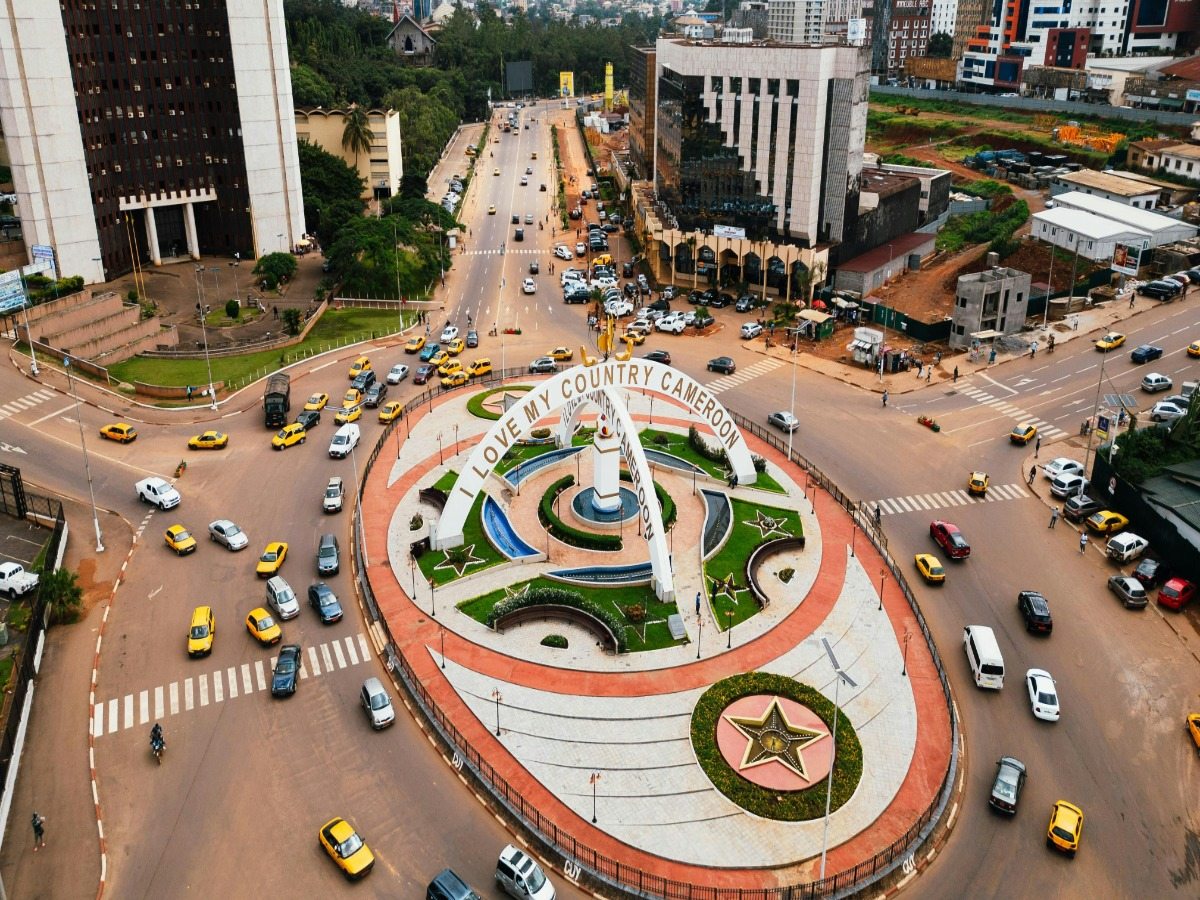
A new group of migrants with no Cameroonian citizenship reportedly arrived in Yaounde, Cameroon, on Monday, continuing a controversial U.S. program that sends immigrants to countries with which they have no known ties. The development comes days after reports surfaced that nine migrants were quietly sent to Cameroon last month.
Lawyer Alma David of the U.S.-based Novo Legal Group confirmed that the latest deportation involved third-country nationals. “We believe there were eight migrants on the plane,” she said, noting that legal teams have not yet spoken to the individuals.
Cameroon-based lawyer Joseph Awah Fru added, “For now, my focus is handling their shock.” Both David and Fru are providing legal guidance to some of the nine migrants, five women and four men, deported last month from countries including Zimbabwe, Morocco, and Ghana. They expect to extend support to the latest group as well.

A White House official, speaking on condition of anonymity, according to an AP report, acknowledged the second flight but did not provide further details.
Two of the nine migrants deported last month have since returned to their home countries, David said. The others had received protection orders from U.S. immigration judges due to risks of persecution or torture, in some cases tied to sexual orientation, in others to political activity.
David explained that sending migrants to Cameroon instead of directly to their home countries was effectively a legal “loophole.” Fru emphasized the risks, saying, “Because there is cause for concern that they might be harmed, that their lives are threatened.”
Apart from minor driving offenses, none of the nine had criminal records, David noted. Details about the most recent group remain unclear.
Cameroon, led by 93-year-old President Paul Biya since 1982, joins at least six other African nations that have received third-country deportees under U.S. agreements. South Sudan, Rwanda, Uganda, Eswatini, Ghana, and Equatorial Guinea have participated in similar deals, some reportedly receiving millions from the U.S. State Department to take migrants.
The Trump administration has spent at least $40 million to deport roughly 300 migrants to countries other than their own across Africa, Central America, and elsewhere, according to a Senate Foreign Relations Committee report. Internal documents show 47 third-country agreements are at various stages of negotiation, with 15 completed and 10 near completion.
The State Department declined to comment on specifics regarding Cameroon, but said, “Implementing the Trump Administration’s immigration policies is a top priority for the Department of State. We remain unwavering in our commitment to end illegal and mass immigration and bolster America’s border security.” Cameroon’s Foreign Ministry did not respond to requests for comment.
The Department of Homeland Security confirmed January deportations to Cameroon but provided no details about the latest flight. A spokesperson said, “We are applying the law as written. If a judge finds an illegal alien has no right to be in this country, we are going to remove them. Period. These third-country agreements, which ensure due process under the U.S. Constitution, are essential to the safety of our homeland and the American people.”
The Trump administration has defended third-country deportations as a deterrent for undocumented migrants and a tool to remove dangerous criminals and gang members. Critics argue that sending people to countries with weak human rights records increases the risk of abuse and denial of due process.
In a similar case last year, five migrants from Vietnam, Jamaica, Cuba, Yemen, and Laos were deported to Eswatini. Convicted of serious crimes, including murder and rape, they served their sentences in the U.S. but have been detained in a maximum-security prison in Eswatini for over six months without charges or lawyer access. The country’s king, Mswati III, will receive $5.1 million to host up to 160 third-country deportees, a deal criticized due to his government’s record of suppressing political dissent while maintaining extravagant spending.
READ ALSO: U.S. troops arrive in Nigeria for training as security crisis deepens