

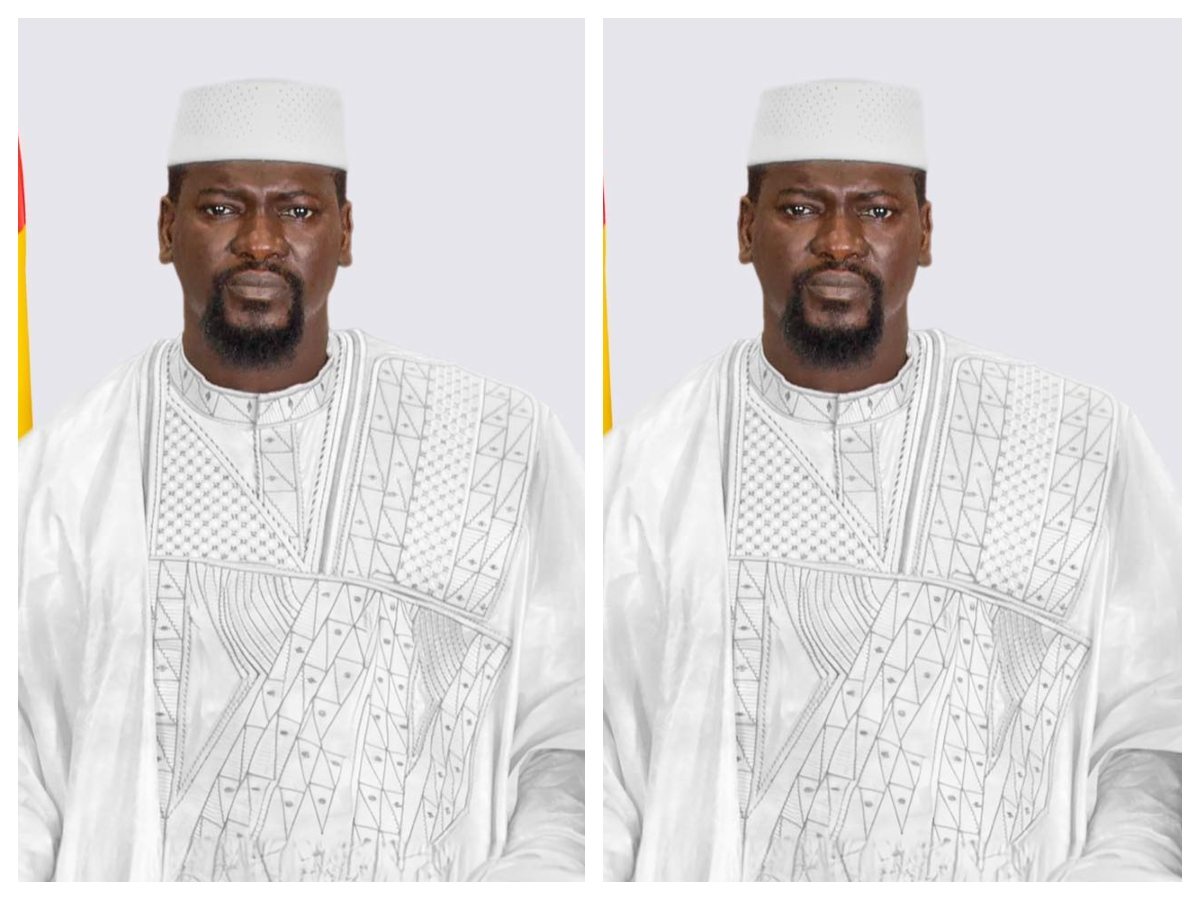
Guinea’s highest court has officially confirmed Gen. Mamady Doumbouya’s election victory. This ensured his rise from coup leader to civilian president four years after the military takeover that overturned the West African nation’s political order.
The Supreme Court in Conakry on Sunday validated the results from the Dec. 28 presidential election, the first since the 2021 coup. Official figures from the General Directorate of Elections show Doumbouya securing 86.7 percent of the vote, an outcome widely anticipated by political observers.
Addressing the nation later that evening, Doumbouya adopted a conciliatory tone. “Today, there are neither winners nor losers. There is only one Guinea, united and indivisible,” he said in a televised broadcast, urging citizens to “build a new Guinea, a Guinea of peace, justice, shared prosperity, and fully assumed political and economic sovereignty.”
RELATED STORIES


READ ALSO: Mamady Doumbouya declared winner in the 2025 Guinea presidential election
The court’s ruling followed a brief legal challenge from Yero Baldé, who finished second with 6.59 percent of the vote. Baldé had reportedly accused election officials of skewing the process in Doumbouya’s favor, but authorities confirmed that the complaint was withdrawn one day before the judges delivered their decision.
The election was conducted under a newly adopted constitution that lifted restrictions barring military figures from contesting the presidency and lengthened the presidential term from five to seven years, changes that reshaped the political landscape ahead of the vote.
Since seizing power in 2021, Doumbouya has faced persistent criticism from rights groups and opposition figures who accuse his administration of silencing dissent and sidelining rivals. Those dynamics left him facing limited resistance from the eight other candidates on the ballot.
According to Guinean political analyst N’Faly Guilavogui, the fragmented opposition played a decisive role in the outcome. The weakened opposition “focused attention on Mamadi Doumbouya as the only key figure capable of ensuring the continuity of the state,” he said. “Guineans are waiting to see what efforts he will make to ensure political stability and reconciliation,” Guilavogui added.
The confirmation of Doumbouya’s presidency comes as Guinea battled with deep economic challenges. Despite its vast natural wealth, including its status as the world’s leading exporter of bauxite used in aluminum production, more than half of the country’s estimated 15 million people face severe poverty and food insecurity, according to the World Food Programme.
READ ALSO: Coup leader Mamady Doumbouya officially joins Guinea’s 2025 presidential contest
Core to the junta’s economic agenda has been the long-delayed Simandou mining venture, home to the world’s largest known iron ore deposit. The project, which is 75 percent owned by Chinese interests, finally began production in December, marking a major milestone after decades of stalled development.