

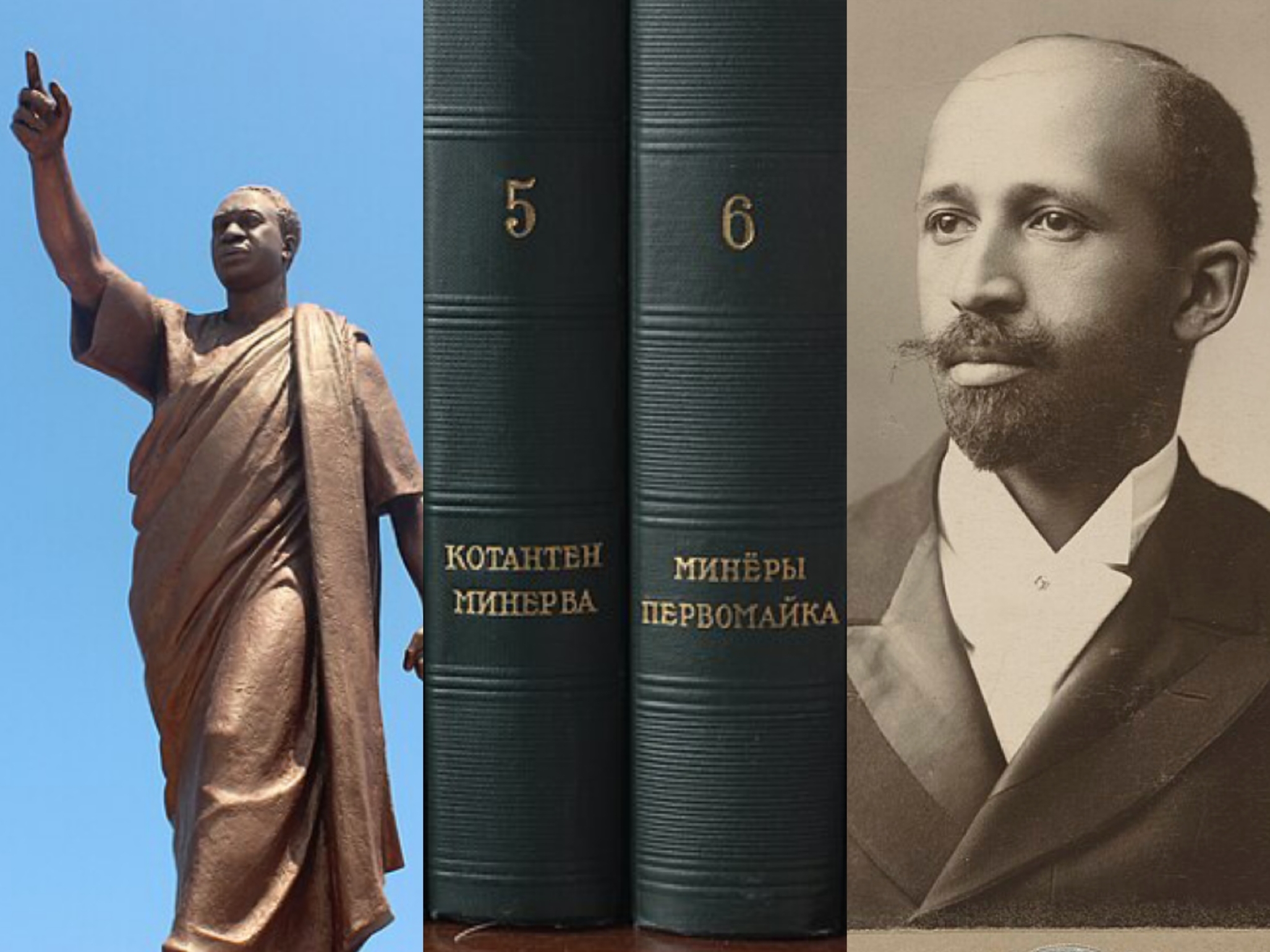
The Encyclopedia Africana was a direct threat to how the modern world learned, taught, and profited from African history. Conceived as a definitive, African-led archive of global Black civilization, it aimed to correct centuries of distortion that painted Africa as ahistorical, peripheral, and dependent. Backed by Kwame Nkrumah and entrusted to W.E.B. Du Bois in his final years, the project sought to gather scholars from the continent to tell Africa’s story on its own terms.
This intellectual revolution emerged at the height of the Cold War, when knowledge itself was power. Western academic institutions, geopolitical actors, and entrenched colonial narratives had little interest in seeing Africa control its own historical record. What followed was quiet resistance, strategic neglect, and political disruption that ensured the project never reached completion. The unfinished encyclopedia became a symbol of something larger: the ongoing struggle over who gets to define Africa’s past and its future.
READ ALSO : Somalia’s history and rise: The African power the world forgot
RELATED STORIES



Today, that struggle has only intensified. Algorithms, classrooms, media, and global policy debates still rely on frameworks built without African authority at the center. The collapse of Nkrumah’s government and the death of Du Bois did not end the mission; they postponed it. Revisiting the Encyclopedia Africana now forces a harder question: what happens when a people finally reclaim authorship over their own narrative in a digital, interconnected age? With unprecedented access to archives, technology, and global collaboration, Africa and its diaspora now possess tools Du Bois could only imagine. Finishing this work would not merely correct the record; it would reshape identity, education, and power itself.
The full breakdown explores why this encyclopedia was feared, how it was buried, and why reviving it may be one of the most important intellectual projects of our time.