
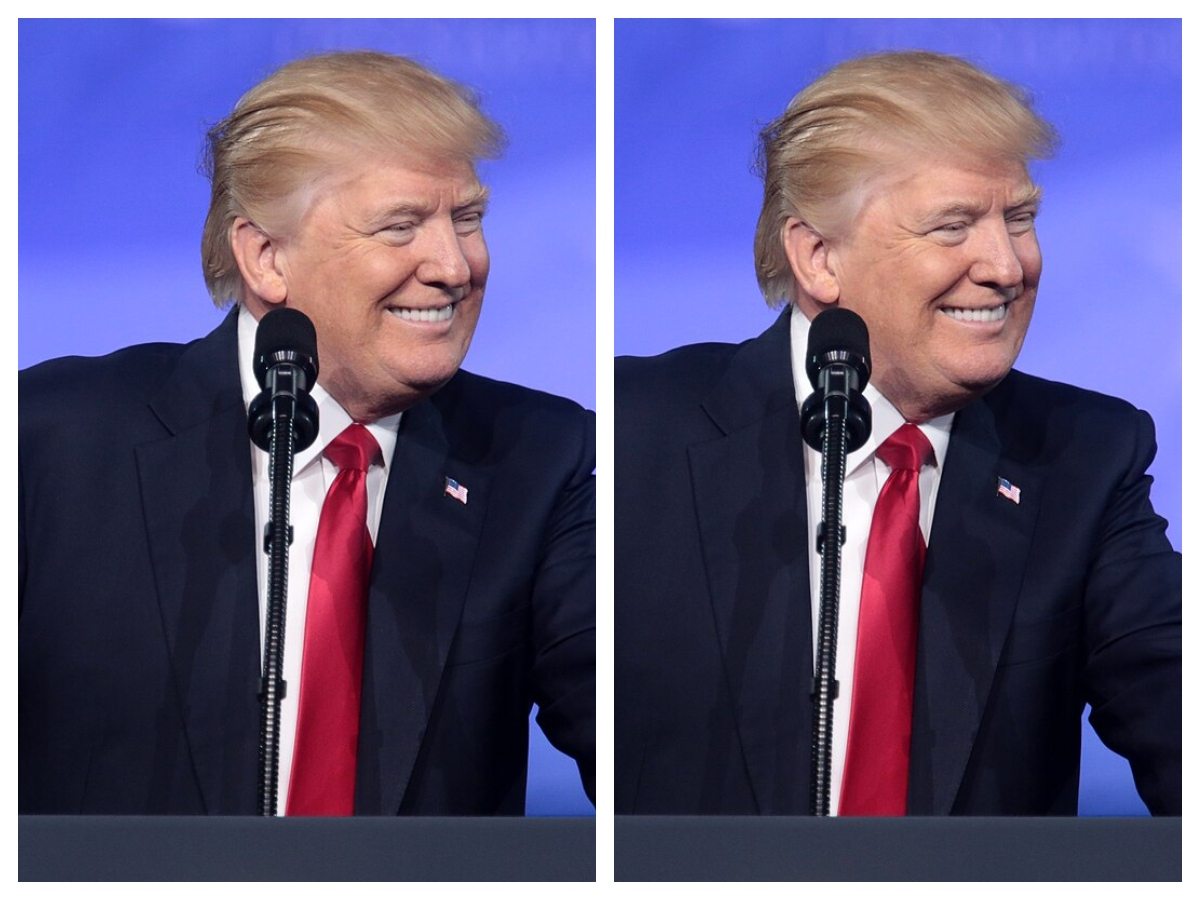
The United States has formally withdrawn from the World Health Organization, ending a 78-year partnership that began with the agency’s founding. The move comes a year after President Donald Trump announced the decision, citing the WHO’s handling of the COVID-19 pandemic and other global health crises, along with its failure to implement “urgently needed reforms” and perceived political influence.
Federal officials, however, acknowledged Thursday that the separation is far from straightforward. The U.S. still owes the WHO over $130 million, and key issues remain unresolved, including lost access to data from other countries that could provide early warnings for emerging pandemics.
Lawrence Gostin, a public health law expert at Georgetown University, warned that the exit will damage the global response to new outbreaks and hinder U.S. scientists and pharmaceutical companies in developing vaccines and treatments. “In my opinion, it’s the most ruinous presidential decision in my lifetime,” he said.
RELATED STORIES

READ ALSO: Denmark and Greenland draw red line on sovereignty after Trump drops tariff threats
The WHO, a specialized United Nations health agency, coordinates responses to global health emergencies, from mpox and Ebola to polio. It also assists low-income nations, distributes scarce vaccines and medical supplies, and sets standards for hundreds of health conditions, including cancer and mental health. Nearly every country in the world is a member.
The U.S. played a central role in creating the WHO and has been one of its largest supporters, contributing hundreds of millions of dollars and sending specialized public health staff around the globe. On average, the U.S. provides $111 million annually in membership dues and roughly $570 million more in voluntary contributions.
Trump’s executive order cited the WHO’s missteps during COVID-19, including initially advising against mask-wearing and delaying acknowledgment that the virus spreads through the air, a position not officially reversed until 2024. Another grievance focused on leadership: none of the WHO’s nine chief executives since 1948 have been Americans, despite the U.S.’s financial and operational support.
READ ALSO: Guinea-Bissau halts U.S.-backed newborn hepatitis B trial over ethical concerns
Experts warn the withdrawal could destabilize major global health programs, from polio eradication to maternal and child health initiatives, as well as research on emerging viral threats. Dr. Ronald Nahass, president of the Infectious Diseases Society of America, called the move “shortsighted and misguided” and “scientifically reckless.”
The U.S. has now ceased participation in WHO-led committees, technical working groups, and governance bodies, including the group that tracks flu strains and informs vaccine updates. This step also ends access to global flu data, which has historically helped the U.S. respond quickly to new outbreaks and fast-track vaccines, Gostin said.
Trump administration officials maintain that the U.S. already shares public health information directly with many countries and will continue to do so without the WHO as an intermediary. They have not, however, provided details on how many countries are involved. Gostin expressed skepticism, noting that many emerging viruses are first identified in countries such as China or across Africa. “Is China going to sign a contract with the United States? Are countries in Africa going to do it? Are the countries Trump has slapped with a huge tariff going to send us their data? The claim is almost laughable,” he said.
Gostin also questioned the legality of the withdrawal, arguing that Congress authorized the U.S. to join the WHO and that only Congress can approve leaving. Although the U.S. gave the required one-year notice, it has not paid 2024 or 2025 dues, leaving a $133 million balance. An administration official denied any obligation to settle payments before the exit, according to a report by the AP.
READ ALSO: Trump drops Greenland tariffs after threats shake NATO and Europe