
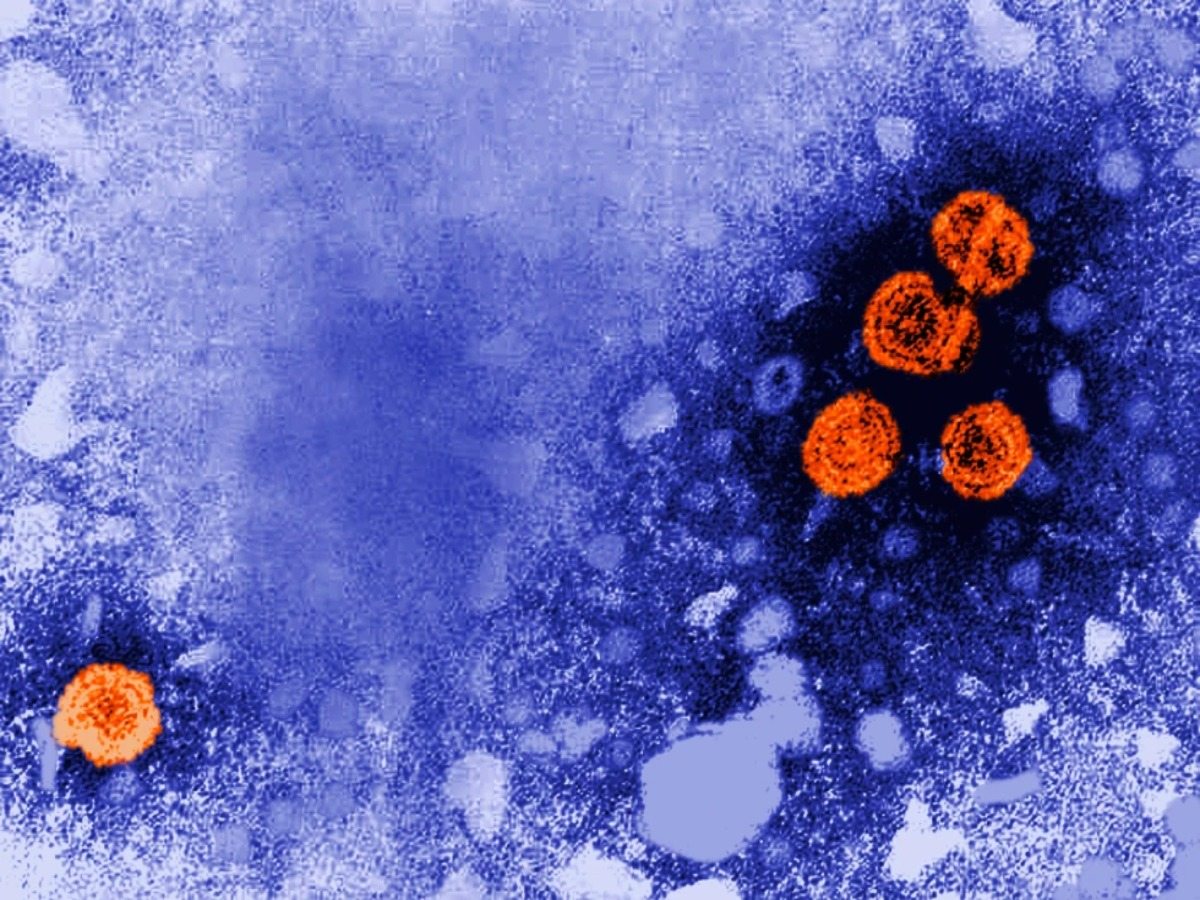
Guinea-Bissau has put a halt to a U.S.-backed hepatitis B vaccine study involving newborns, pending a formal ethical assessment, the country’s health minister announced on Thursday.
Health Minister Quinhi Nantot said the trial moved forward without review by the country’s full ethics panel, noting that a six-member committee did not convene during the project’s initial approval stage. He spoke during a news briefing organized by the Africa Centers for Disease Control and Prevention.
At the center of the controversy is a randomized controlled trial that assigns some infants to receive the hepatitis B vaccine at birth while others do not. Researchers plan to monitor participating children for mortality, illness and long-term developmental effects. Public health specialists have raised serious concerns, arguing that the design exposes newborns to unnecessary risk by withholding a vaccine known to be effective in a region with high rates of hepatitis B.
RELATED STORIES

READ ALSO: Post-coup Guinea-Bissau military sets date for national elections
Africa CDC Director-General Jean Kaseya welcomed the suspension and backed a full ethical review, while stressing ongoing cooperation with the United States.
“We are led by the interests of our people in Africa,” Kaseya said. “We are not led by the small interests of individual people.”
Despite Guinea-Bissau’s decision, U.S. officials said this week that the research effort remains on track from their side.
“The study is proceeding as planned, and we continue to work with our partners to finalize the study’s protocols,” Andrew Nixon, spokesman for the U.S. Department of Health and Human Services, said in a statement.
The project stems from a $1.6 million no-bid contract awarded by the Trump administration to a Danish university to examine hepatitis B vaccination in newborns in Guinea-Bissau. The selection of the research team has drawn scrutiny because some of its members have been referenced by anti-vaccine activists, and their findings have been challenged by prominent public health authorities.
Medical consensus and decades of research support the use of the hepatitis B vaccine in newborns, making the decision to withhold it from some participants a flashpoint in the ethical debate.
READ ALSO: Guinea-Bissau election results stall after armed group seizes crucial tally sheets
Funding for the study was issued by the U.S. Centers for Disease Control and Prevention to researchers at the University of Southern Denmark, a group praised by U.S. Health Secretary Robert F. Kennedy Jr. One of the lead investigators, Christine Stabell Benn, also serves as a consultant to a Kennedy-appointed panel that recently voted to halt its recommendation for universal hepatitis B vaccination at birth in the United States.
The trial, according to a report by the AP, was scheduled to begin earlier this year in Guinea-Bissau, where hepatitis B remains widespread. Researchers received approval to follow 14,000 newborns over a five-year period. While most participants would be monitored for under two years to assess potential side effects, the first 500 children were slated for extended observation lasting five years, focusing on behavior and neurological development. The original protocol did not include a placebo.
Nixon has yet to provide further details about any revisions to the study’s current design.
READ ALSO: U.S. widens visa bond policy, slaps up to $15,000 entry requirement on more countries