

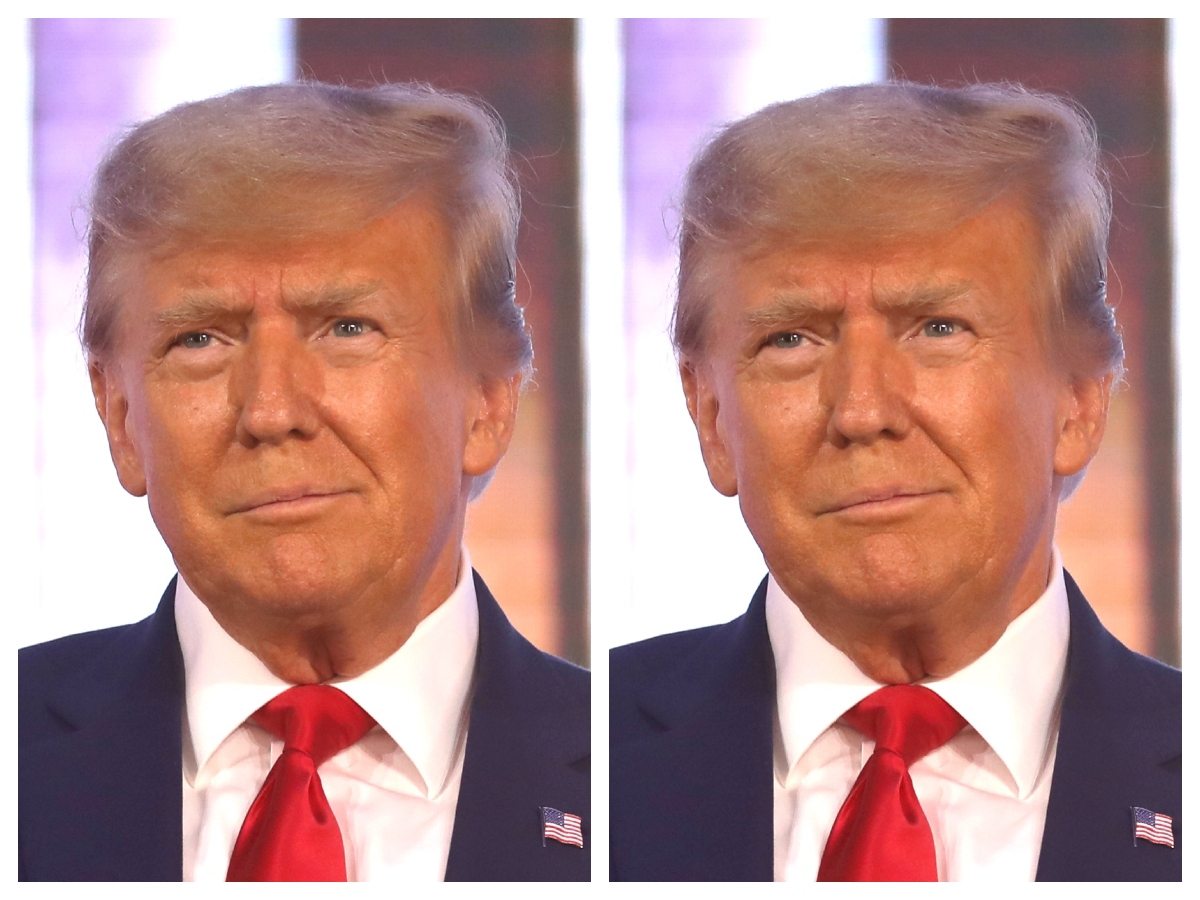
A coalition of Democratic-led states is intensifying its legal fight with the Trump administration. They are accusing federal officials of unlawfully freezing billions of dollars Congress set aside to expand electric vehicle charging nationwide.
Sixteen states and the District of Columbia filed a lawsuit on Tuesday in federal court in Seattle, arguing that more than $2 billion approved under former President Joe Biden is being improperly withheld by the Department of Transportation and the Federal Highway Administration. The states contend the money was legally obligated by Congress and that the administration is effectively impounding it.
“The Trump administration’s illegal attempt to stop funding for electric vehicle infrastructure must come to an end,” California Attorney General Rob Bonta said in a release. “This is just another reckless attempt that will stall the fight against air pollution and climate change, slow innovation, thwart green job creation, and leave communities without access to clean, affordable transportation.”

READ ALSO: Travel ban expanded again as Trump targets 20 additional countries
The case comes as the latest challenge to the Trump administration’s broader rollback of Biden-era clean transportation policies. Since returning to office in January, President Donald Trump has moved aggressively against federal support for electric vehicles, aligning his administration’s approach more closely with oil and gas interests and reversing initiatives aimed at accelerating the shift to cleaner cars and trucks.
Transportation Department officials did not immediately respond to a request for comment, AP indicated in a report.
In February, the administration directed states to stop spending EV charging funds allocated under the bipartisan infrastructure law enacted during the previous administration. That order set off a wave of legal action from states that had already begun planning and contracting for charging projects.
Earlier this year, several states sued over the suspension of the $5 billion National Electric Vehicle Infrastructure program, which was designed to create a coast-to-coast charging network. A federal judge later ordered the administration to release much of that funding for more than a dozen states.
Following the court ruling, Transportation Secretary Sean Duffy issued revised guidance that he said would streamline applications and speed up charger deployment. According to Loren McDonald, chief analyst at EV data firm Chargeonomics, at least four states, Georgia, Illinois, Maryland, and Wisconsin, have since announced awards under the program.
Tuesday’s lawsuit focuses on two separate programs that remain stalled. The states say $1.8 billion from the Charging and Fueling Infrastructure Grant program and roughly $350 million from the Electric Vehicle Charger Reliability and Accessibility Accelerator program are still being withheld.
The case is being led by the attorneys general of California and Colorado, with participation from Arizona, Delaware, Illinois, Maryland, Massachusetts, Michigan, New Jersey, New York, Oregon, Rhode Island, Vermont, Washington, Wisconsin, and the District of Columbia, along with the governor of Pennsylvania. All of the plaintiffs are Democrats.
Trump has tagged his actions as a rejection of what he labels Biden’s “EV mandate.” While Biden set a goal for electric vehicles to account for half of new U.S. vehicle sales by 2030, his policies did not require consumers to buy EVs or force automakers to sell them.
Instead, the Biden administration tightened tailpipe emissions and fuel economy standards, pushing automakers toward cleaner vehicles to meet regulatory targets. Consumers were also eligible for tax credits of up to $7,500 for EV purchases, incentives that congressional Republicans eliminated last fall.
The Trump administration has since proposed rolling back both emissions and fuel economy rules and has removed penalties for automakers that fail to meet the standards.
Trump has also repeatedly criticized the federal charging programs, at times misstating their progress and costs. Because much of the funding has been frozen, only a portion of the obligated money has been spent.
“We had to have an electric car within a very short period of time, even though there was no way of charging them and lots of other things,” Trump said at a Dec. 3 press conference on proposed fuel economy changes. “In certain parts of the Midwest, they spent — to build nine chargers they spent $8 billion. So, that wasn’t working out too well.”
The lawsuit comes as the U.S. EV market shows signs of cooling. Sales growth has slowed as many mainstream buyers remain uneasy about charging availability and higher prices.
New electric vehicles sold for an average of $58,638 last month, compared with $49,814 for new vehicles overall, according to Kelley Blue Book.
READ ALSO: Trump sues the BBC for $10bn over edited Jan. 6 speech
Automakers are adjusting to those concerns. This week, Ford Motor Co. said it is scaling back its once ambitious multibillion-dollar electrification plans in favor of hybrids and more fuel-efficient gasoline models. Earlier this spring, Honda Motor Co. also announced it would significantly reduce the scope of its EV efforts.