

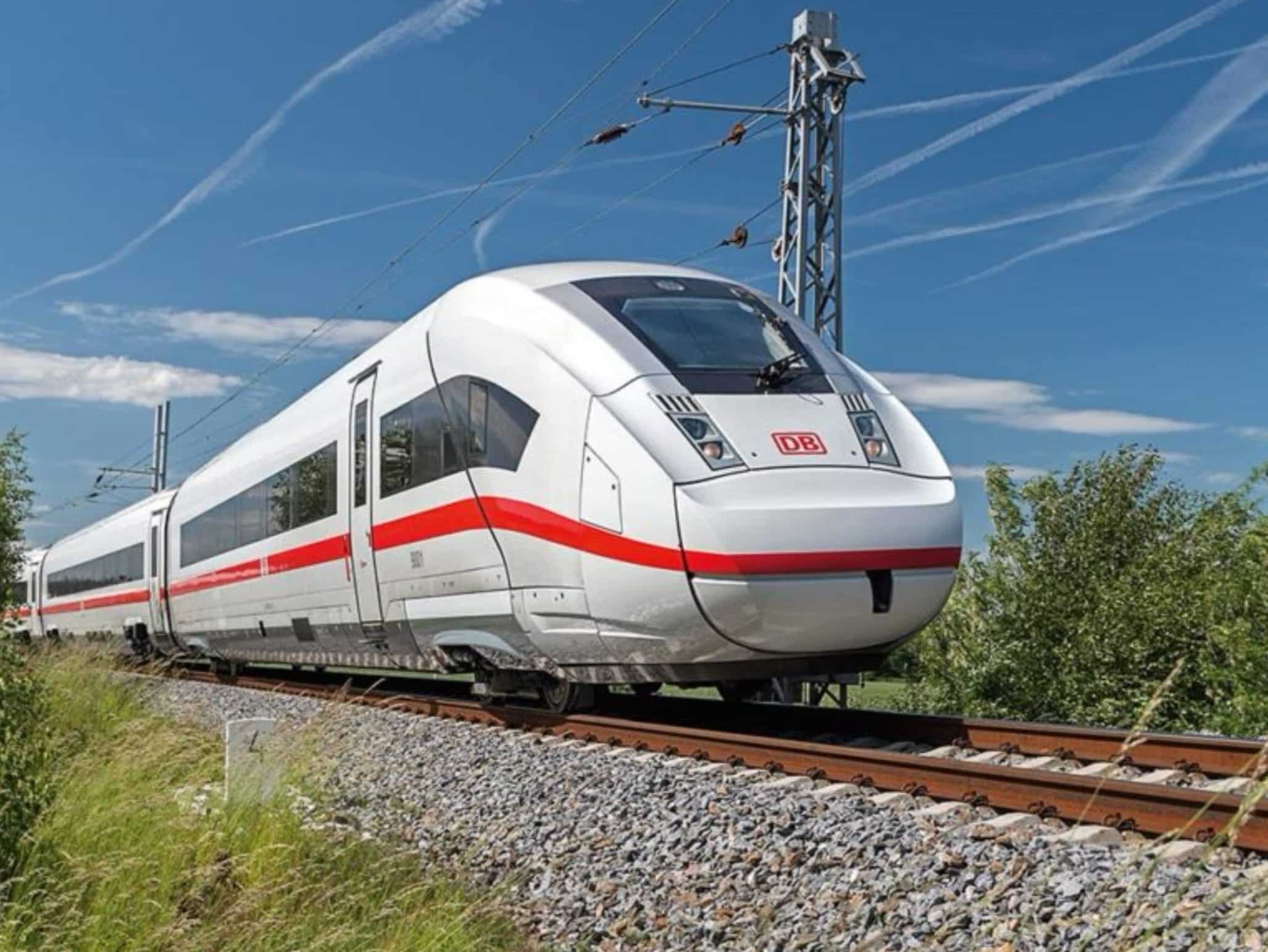
A Transcontinental African Railroad could be the transformative infrastructure Africa has long awaited. For centuries, global superpowers from Europe to the United States and China have risen on the strength of connected rail networks that shrank distances, accelerated trade, and unlocked immense economic growth.
Africa, despite being the world’s youngest and fastest-growing continent, never had that opportunity. Colonial railways were built for extraction, not connection, leaving behind fragmented systems that slowed transport, stifled trade, and isolated neighboring economies. Yet recent successes, such as the U.S.-backed Lobito Corridor, which reduces transport time from 30 days to just three, illustrates the massive potential of a modern, continentwide rail.
Africa already has pieces of the puzzle in place: electric rail in Ethiopia, high-speed lines in Morocco, and modern networks in Kenya, Nigeria, Tanzania, and South Africa. What is missing is a single, continentwide vision. A unified transcontinental African railroad that links these systems seamlessly. Standardized gauges, coordinated regional corridors, smart financing models, and a dedicated African Rail Authority could make this vision a reality.
RELATED STORIES




Experts predict such a network could generate up to $3 trillion in GDP growth, create millions of jobs, reduce the cost of food and goods, and boost regional trade. Beyond economics, it could physically and symbolically unify 1.4 billion people, turning African integration from a slogan into a tangible reality.
A connected rail network would not only revolutionize the movement of goods and people but also stimulate local manufacturing, support urban and rural development, and attract international investment.
Watch the full breakdown, including the economics, the politics, the blueprint, and the bold question that could define Africa’s future.