

The Economic Community of West African States (ECOWAS) is making a significant effort to reduce the cost of flying within West Africa.
At their meeting in Abuja in December 2024, ECOWAS leaders agreed on a plan to significantly lower air travel costs, which is intended to boost regional unity and access, according to Africa News.
The most important part of this plan is the complete removal of all air travel taxes for flights within ECOWAS countries, starting on January 1, 2026. This tax cut is expected to lower ticket prices immediately.
RELATED STORIES



On top of removing taxes, ECOWAS is also cutting other flight fees—specifically those for passengers and security—by a large 25% starting in 2026.
By eliminating taxes and lowering fees, ECOWAS is aiming to create a much more competitive and affordable air travel market.
The reform, according to the organization, is a direct response to “long-standing concerns about the high cost of flying in West Africa.”
ECOWAS contends that the current situation has hindered trade, tourism, and the unrestricted movement of people and goods.
The reform is expected to result in several benefits, including “lower airfares, stronger regional airlines, increased passenger traffic, and deeper regional integration,” according to the community.
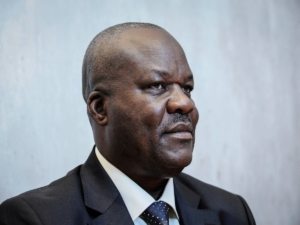
Chris Appiah, Director of Transport and Telecommunications at the ECOWAS Commission, confirmed this plan in Abuja, Nigeria, according to Business Insider Africa. Research has repeatedly shown that West Africa has the most expensive air travel in Africa, largely due to high government taxes and fees.
Appiah stated that air transport charges in West Africa are significantly higher than in other parts of the continent—sometimes by as much as 67 percent.
“These taxes are against the International Civil Aviation Organisation’s guidelines and suppress demand rather than support growth,” he said.
Appiah added that ECOWAS is taking measures to reduce the cost of air travel in West Africa by removing four major taxes, including the pervasive security tax, which are deemed unrelated to aviation services.
Furthermore, the organization is collaborating directly with airlines to ensure that the savings from this new tax structure are passed on to consumers in the form of lower ticket prices.
“We are working with the airlines themselves to make sure that when the taxes and charges are removed, they will also, in turn, reduce their tickets, so that the citizens of West Africa can travel freely,” Appiah said.
READ ALSO: Sierra Leone’s Maada Bio appointed ECOWAS chairman amid security and political turmoil
The benefits of the reform, he emphasized, will not be limited to governments and airlines alone.
“When taxes are reduced, demand goes up, and lots of people start travelling,” he said, adding that stronger air connectivity will support tourism, health, education, and other sectors that rely on mobility.
ECOWAS expressed its commitment to ensuring the effective execution of its resolutions and
policies by its member states. To this end, a robust and dedicated oversight mechanism will be established and actively deployed.
This mechanism will be the primary instrument through which ECOWAS systematically monitors, tracks, and evaluates the degree to which each member state is implementing the agreed-upon measures, protocols, and directives.
READ ALSO: The world is watching Nigeria as ECOWAS, UN, and EU condemn EndSARS violence