

The electoral commission in Guinea-Bissau has revealed the challenges it faces in certifying the outcome of the contentious presidential election.
Officials indicated that their work came to a halt when unidentified armed men stormed the commission’s headquarters and made off with key tally sheets. They claim the incident occurred on the same day the military took control of the state.
The commission said the intrusion happened on Nov. 26, just three days after voters cast ballots in presidential and legislative elections marked by competing claims of victory from incumbent President Umaro Sissoco Embaló and challenger Fernando Dias da Costa.
RELATED STORIES



READ ALSO: Embaló flees to Senegal while Guinea-Bissau’s military declares its new ruler
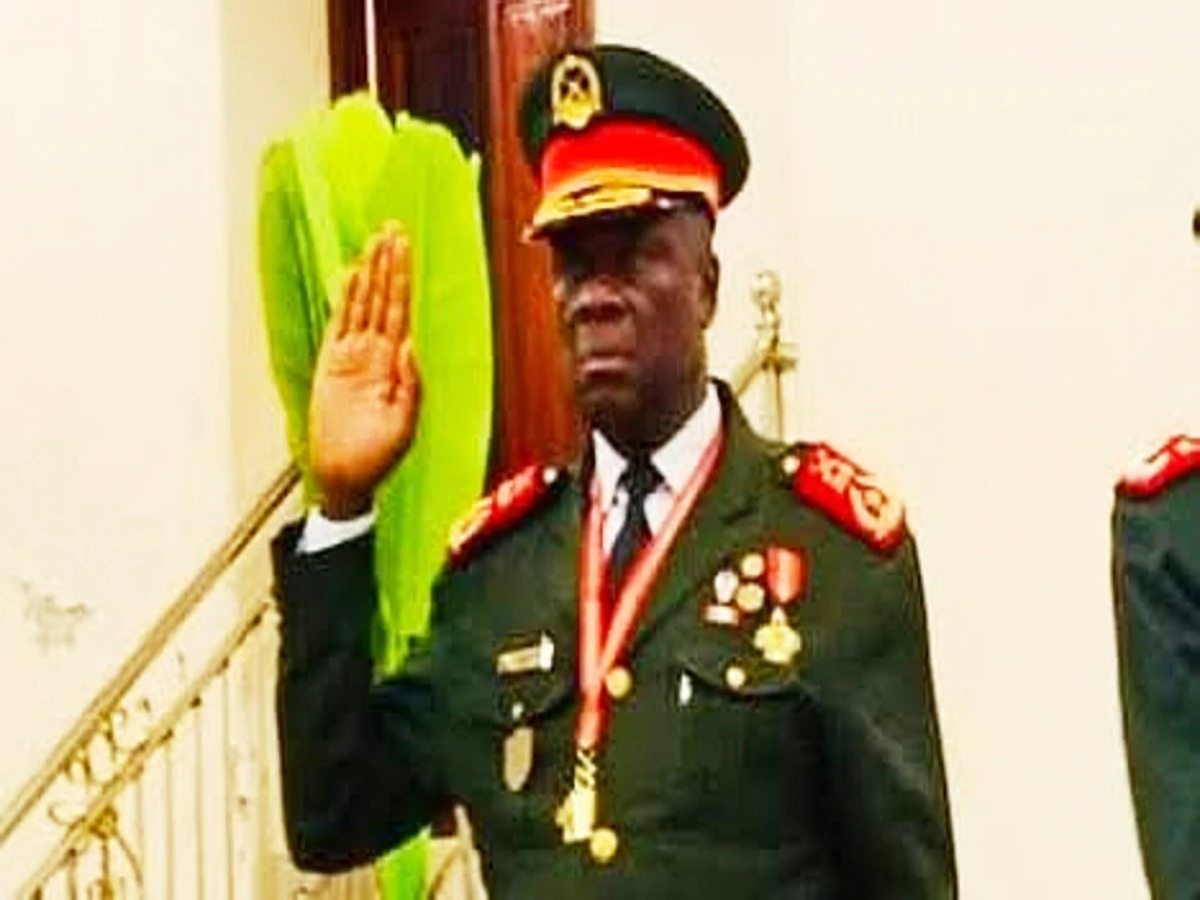
As confusion heightened, the armed forces stepped in and declared a takeover, elevating former army chief Gen. Horta Inta-A Na Man to lead a military government tasked with steering a one-year transition. Inta-a quickly formed a 28-member administration dominated by figures aligned with the ousted president.
Embaló later fled to Brazzaville in the Republic of Congo. Earlier, Senegal’s Ministry of Foreign Affairs said Embaló landed in Dakar aboard a government-chartered plane. The ministry revealed it had been “in direct communication with all concerned Guinea-Bissau actors” and pledged to work with partners to support a democratic transition.
The crisis emerged amid crucial presidential and legislative elections. Embaló, a former general now 53, had faced massive criticism from opponents who argued his mandate had expired and had publicly refused to recognize his presidency.
In a separate development reported by AP, Nigeria announced that President Bola Tinubu has offered protection to da Costa because of an alleged “imminent threat to his life.”
READ ALSO: Army general sworn in as Guinea-Bissau’s new head of state after takeover
The West African nation, home to about 2.2 million people, has long struggled with instability. Since gaining independence from Portugal more than five decades ago, Guinea-Bissau has endured repeated coups, including an attempted power grab as recently as October. Analysts say its entanglement in trans-Atlantic drug trafficking has intensified political volatility and weakened state institutions.