
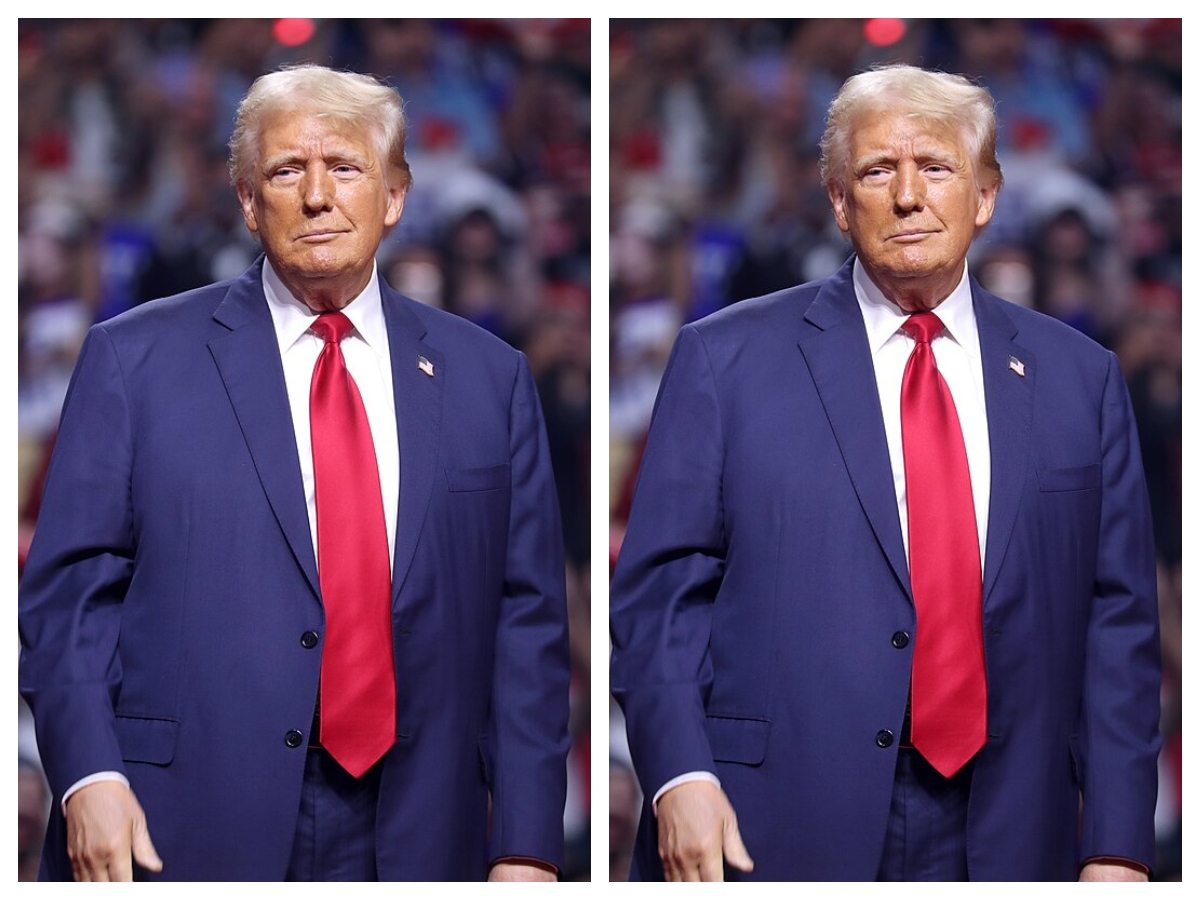
Minnesota’s Somali community has again found itself thrust into the national spotlight after a new series of remarks from President Donald Trump and senior administration officials. Their comments, paired with plans for a new federal immigration enforcement effort in the state, have intensified scrutiny of one of Minnesota’s most established immigrant communities.
Trump on Tuesday declared that he did not want Somalis in the United States because “they contribute nothing.” His comments surfaced shortly after a person familiar with internal planning said federal authorities were preparing a targeted operation in Minnesota focused largely on Somali immigrants believed to be living in the country unlawfully.
The United States was home to an estimated 260,000 people of Somali descent in 2024, according to the Census Bureau’s American Community Survey. The Minneapolis-St. Paul region holds the largest share, with roughly 84,000 residents, most of whom are American citizens. Significant populations also live in Ohio, Washington and California.
RELATED STORIES



Minnesota’s Somali community includes many who escaped a prolonged civil war and were drawn by the state’s reputation for accessible social programs. Nearly 58 percent of Somalis in Minnesota were born in the United States. Among those born abroad, 87 percent are naturalized citizens, and almost half arrived in 2010 or later.
Trump has recently intensified his focus on Somali immigrants, claiming they “have caused a lot of trouble.” Administration rhetoric intensified after City Journal published claims that money from defrauded public programs in Minnesota had been funneled to al-Shabab, an extremist group linked to al-Qaida.
Treasury Secretary Scott Bessent added fuel to the discussion by saying in a social media post that his agency is investigating whether “hardworking Minnesotans’ tax dollars may have been diverted to the terrorist organization.” Despite the assertions, federal prosecutors have not charged any defendants in Minnesota’s recent public program fraud cases with aiding foreign terrorist groups. Evidence supporting the alleged link has been minimal.
Last month, Trump announced that he was ending Temporary Protected Status for Somali migrants in Minnesota. Congress was told in August that only 705 Somalis nationwide were covered by the program. The decision quickly drew criticism from state officials and immigration specialists, who said the move lacked legal grounding and appeared aimed at heightening fear.
Minnesota leaders, including Gov. Tim Walz and Minneapolis Mayor Jacob Frey, as well as prominent Somali community figures, have rejected attempts to blame the broader community for recent cases of extensive fraud in government programs.
Their responses come in the shadow of the Feeding Our Future scandal, which federal officials have called the nation’s largest COVID-19-related fraud case. Prosecutors say the defendants falsely claimed to be serving millions of meals to children during the pandemic. While the alleged organizer was white, many defendants were Somali Americans and most were U.S. citizens. The estimated theft has climbed to about 300 million dollars, and the number of defendants recently rose to 78 as the cases continue to move through the courts.
Republican candidates in the 2026 gubernatorial and state races are leaning heavily on voter frustration over the scandal. Trump has accused Walz of allowing the fraud to happen under his leadership.
Minnesota authorities have dealt with recruitment efforts aimed at young Somali men for nearly two decades. The first wave, according to AP’s report, emerged in 2007 when more than 20 young men left for Somalia during clashes involving Ethiopian forces and a fragile U.N.-backed government.
Most of those cases concluded years ago, yet new instances occasionally surface. In September, a 23-year-old defendant pleaded guilty to attempting to provide material support and resources to a designated foreign terrorist organization. During the 2010s, authorities also reported that roughly a dozen individuals from Minnesota’s Somali community left to join Islamic State militants in Syria.
Despite the renewed political attacks, Somali Americans continue to play prominent roles in Minnesota’s civic landscape. The most nationally recognized is Democratic U.S. Rep. Ilhan Omar, a progressive lawmaker representing Minneapolis and a frequent target of Trump. Several Somali Americans have served in the Minnesota Legislature and on city councils in Minneapolis and St. Paul. State Sen. Omar Fateh, a democratic socialist, finished second in the Minneapolis mayoral election in November, trailing incumbent Jacob Frey.