
The Moroccan caftan has officially achieved a significant cultural landmark by being added to the UNESCO Representative List of the Intangible Cultural Heritage of Humanity. This prestigious recognition was formally confirmed during UNESCO’s intergovernmental committee session held in New Delhi, India.
For the Kingdom of Morocco, this decision validates what has long been an intrinsic part of its national fabric.
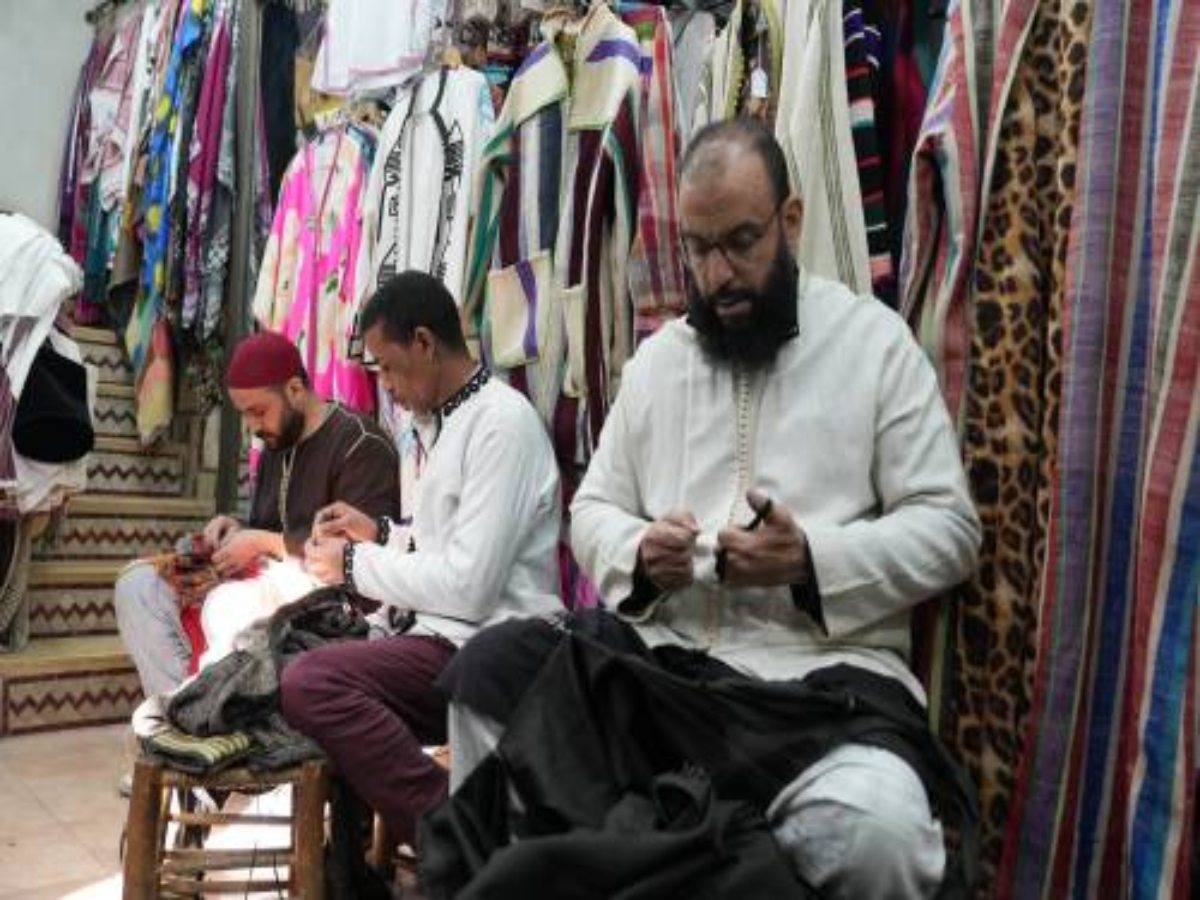
The caftan is recognized as far more than just a piece of clothing; it stands as a vibrant, multifaceted symbol of Moroccan identity, a profound testament to centuries of skilled craftsmanship, and a living reflection of the nation’s continuous, rich history and cultural evolution.
RELATED STORIES




The caftan’s inscription on the list recognizes its artistic legacy, which has been nurtured over centuries by generations of women, master artisans, and various regional design schools.
These contributors have allowed the caftan to evolve while preserving its fundamental character. Furthermore, this inclusion supports Morocco’s continuous dedication to the protection, promotion, and global recognition of its cultural heritage.
READ ALSO: Interesting features that earned Ivory Coast’s attiéké a UNESCO status
According to UNESCO, “the traditional garment is known for its central opening, buttons and rich, hand-made decorations, often including embroidery, beads and sequins. The caftan is worn during important social and religious events such as weddings, baptisms, coming-of-age rituals and festivals.”
To grasp the significance of this recognition within Morocco’s creative and cultural landscape, MWN engaged with prominent figures—leading designers, artists, and digital influencers. These individuals actively celebrate, wear, document, and promote the caftan through their respective work.
Among those consulted was Veronica Pozzi, an Italian fashion designer based in Marrakech, who voiced profound respect for the inscription and the skilled artisans involved.
“The caftan embodies the soul, history, and cultural diversity of the Kingdom. Bravo to the artisans, communities, and all those who work to preserve this unique treasure,” she told MWN.
The emphasis on authenticity, rather than fleeting trends, is echoed in her commendation of the communities and artisans who are the true custodians of this heritage.
Sami Lakouait, Founder & Head of Global Content for the FAMA (Fashion & Art Moroccan Association) team, underscored that the caftan’s enduring legacy is intrinsically linked to the individuals who have fostered and shaped it.
“The caftan is Morocco’s story, worn with pride across centuries. Attempts to claim it fall flat, because true heritage belongs to its people,” Lakouait noted. “At FAMA, we celebrate UNESCO’s recognition and the artisans who keep it alive, untouchable and unmistakably Moroccan.”
The UNESCO listing is presented as a win for cultural integrity, emphasizing the crucial role of artisans as cultural guardians, as noted in the statement.
READ ALSO: Ghana’s iconic Kente cloth earns UNESCO recognition
Renowned Moroccan artist Asma Lmnawar emphasized the enduring quality of craftsmanship found in Moroccan workshops.
“The Moroccan caftan” is “an art of traditions and skills,” she explained, exclaiming: “A thousand congratulations for this UNESCO recognition of this Moroccan cultural heritage!”
The congratulations she offered encapsulated a shared national pride, a testament from one artist to the craftsmanship inherent in her culture.
Moroccan Mirage, a digital creator from Morocco, offered online commentary that honored the dedication and artistry of the artisans behind each caftan.
“The Moroccan caftan at UNESCO. A heartfelt salute to our artisans,” she added.
READ ALSO: Pharrell Williams Named UNESCO Goodwill Ambassador In Paris