
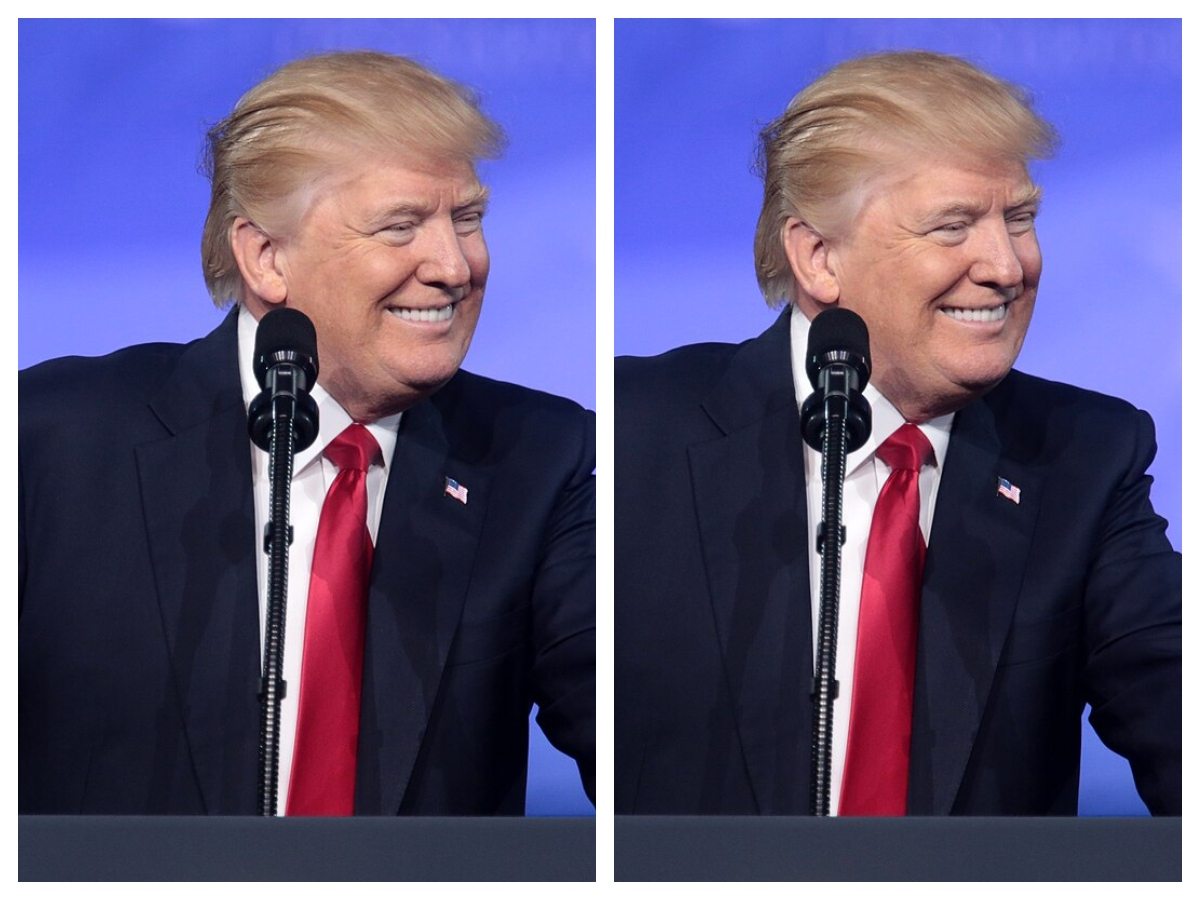
President Donald Trump has urged U.S. oil executives to return to Venezuela and commit tens of billions of dollars to reviving its long-neglected energy sector and infrastructure.
The appeal comes as the White House seeks to unlock as much as $100 billion in private investment to modernize Venezuela’s oil fields and capitalize on some of the world’s largest petroleum reserves. Since the U.S. military operation over the weekend that led to the capture of former Venezuelan leader Nicolás Maduro, Trump has described the U.S. government’s intervention as a pathway to economic control and lower fuel prices at home.
In recent days, the administration has seized multiple tankers carrying Venezuelan crude and asserted authority over the sale of between 30 million and 50 million barrels of oil that had previously been under sanctions. Trump has said the United States intends to manage those sales globally for the foreseeable future.
RELATED STORIES



READ ALSO: Trump unveils plan for Venezuela to ship up to 50 million barrels of oil to U.S.
At a White House meeting with top oil executives, interest was tempered by caution. Industry leaders pointed to Venezuela’s history of nationalization, legal instability, and sanctions as major deterrents. ExxonMobil CEO Darren Woods was blunt in his assessment. “If we look at the commercial constructs and frameworks in place today in Venezuela, today it’s un-investable,” he said on Friday, January 9, 2026.
Trump used the session to argue that those risks no longer apply, promising U.S. backing in place of direct engagement with Venezuelan authorities. “You have total safety,” Trump told the executives. “You’re dealing with us directly and not dealing with Venezuela at all. We don’t want you to deal with Venezuela.”
He emphasized that the investment would come from corporate balance sheets, not public funds, while stressing the role of the U.S. government as guarantor. “Our giant oil companies will be spending at least $100 billion of their money, not the government’s money. They don’t need government money. But they need government protection,” Trump said.
According to the president, that protection would rely on coordination with Venezuelan leaders and local personnel rather than a sustained U.S. military presence. He added that companies would also “bring over some security.”
The push coincided with another seizure of a tanker linked to Venezuelan oil, the fifth such action in a month. The move underscored the administration’s intent to exert full control over the country’s oil exports, refining and production as part of a broader strategy to keep U.S. gasoline prices in check.
Trump acknowledged that the pitch involves risk, even as he praised the industry’s appetite for difficult environments. “You know, these are not babies,” he said of the executives. “These are people that drill oil in some pretty rough places. I can say a couple of those places make Venezuela look like a picnic.”
READ ALSO: Venezuela in U.S. hands? Trump signals leadership role after Maduro capture
Woods said ExxonMobil would dispatch a team to evaluate conditions on the ground, noting that the company’s assets had been seized twice in Venezuela. Any return, he said, would require sweeping reforms. “Significant changes have to be made to those commercial frameworks, the legal system, there has to be durable investment protections and there has to be change to the hydrocarbon laws in the country,” Woods said.
Other firms at the meeting included Chevron, which continues limited operations in Venezuela, as well as ConocoPhillips, Halliburton, Valero, Marathon, Shell, Trafigura, Eni, and Repsol.
Venezuela’s oil output has fallen below 1 million barrels a day. Energy Secretary Chris Wright said executives expressed “tremendous interest” after the meeting and disclosed that Chevron made a specific commitment. Even so, Wright cautioned that ramping up production would take time, estimating it could take eight to 12 years to lift daily output to 3 million barrels.
Trump also defended the administration’s actions as a geopolitical necessity. “One thing I think everyone has to know is that if we didn’t do this, China or Russia would have done it,” he said, arguing that U.S. oversight of Venezuela’s oil industry was unavoidable.
Critics were swift to condemn the approach, per a report by the AP. Tyson Slocum of Public Citizen described the meeting as a bid to transfer control of Venezuela’s resources to wealthy interests, labeling the military removal of Maduro “violent imperialism” and accusing Trump of seeking to “hand billionaires control over Venezuela’s oil.”
Diplomatically, the White House has signaled a willingness to reset relations. U.S. officials say they are working toward a functional relationship with interim President Delcy Rodríguez, despite her public denunciations of Trump. The administration maintains that cooperation has continued quietly behind the scenes.
Both governments said Friday they are exploring the restoration of diplomatic ties. A small U.S. delegation traveled to Venezuela to assess the possibility of reopening the U.S. Embassy in Caracas, according to the State Department.
Trump also said he plans to meet this week with opposition leader Maria Corina Machado, even as he has declined to endorse her leadership. After Maduro’s removal, Trump said Machado “doesn’t have the support within, or the respect within, the country” to lead.
Regional dynamics are also shifting. Trump confirmed plans to meet Colombian President Gustavo Petro in early February, marking a sharp change in tone after previously threatening action against Petro and describing him as a “sick man who likes making cocaine and selling it to the United States.” A recent phone call between the two leaders appeared to ease tensions, culminating in an invitation for Petro to visit the White House.
READ ALSO: Trump claims victory in Venezuela after Maduro’s capture
The thaw reflects pragmatic interests on both sides. Colombia remains central to U.S. counternarcotics efforts and has received roughly $14 billion in American security assistance over the past two decades. For Washington, the country is a critical partner in intercepting cocaine shipments across the Caribbean, making cooperation a priority despite ideological divides.