

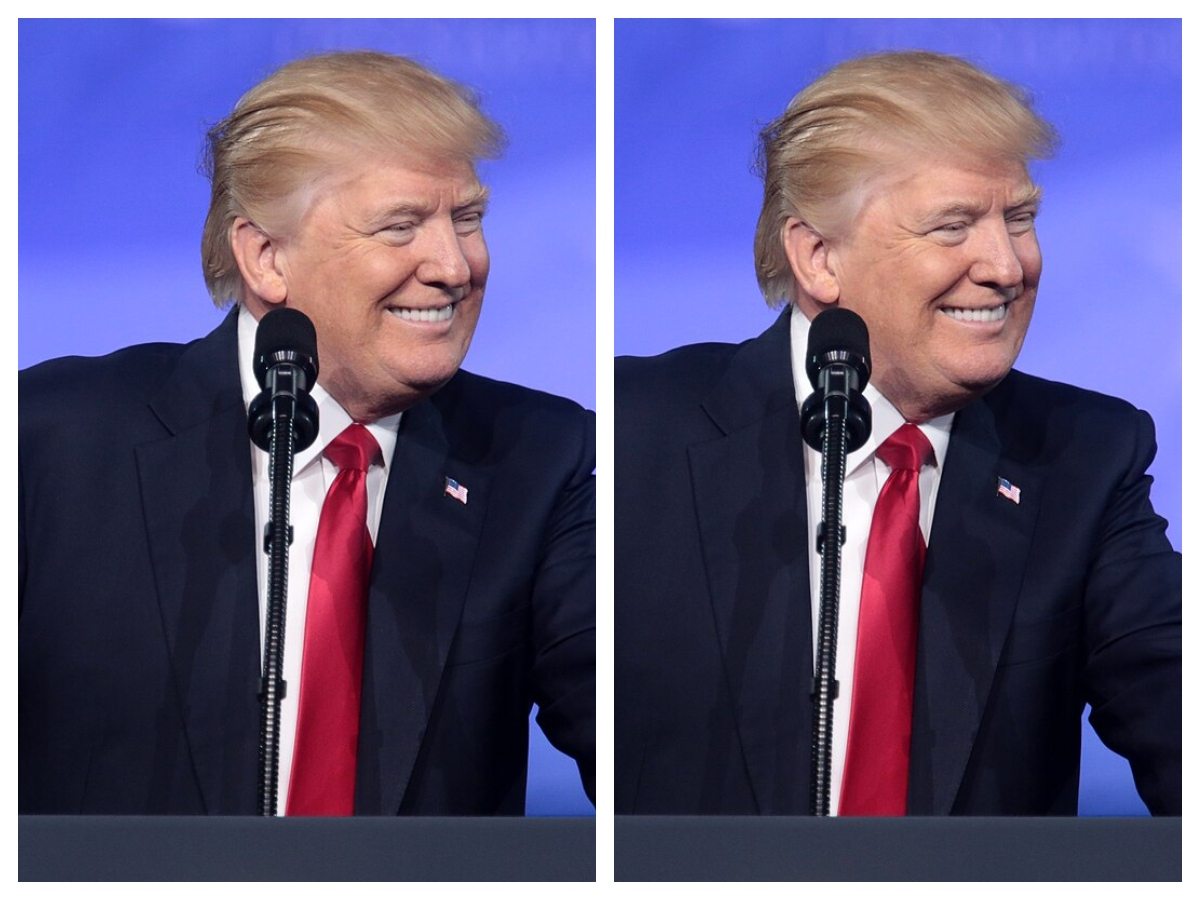
The Trump administration expanded its travel ban on Tuesday, adding 20 more countries and individuals traveling on documents issued by the Palestinian Authority. This move doubles the scope of restrictions first unveiled earlier this year on who may visit or immigrate to the United States.
Under the updated proclamation, five additional countries were placed under a full entry ban, while 15 others now face partial limits. The administration also imposed a complete restriction on travel using Palestinian Authority-issued documents. Officials said the changes will take effect on Jan. 1 and include exemptions for current visa holders, lawful permanent residents, diplomats, athletes, and others whose entry is deemed to serve U.S. interests.
The expansion follows a series of immigration actions announced after the arrest of an Afghan national accused of the shooting of two National Guard troops over Thanksgiving weekend. Administration officials have argued that tighter entry rules are necessary to strengthen vetting and protect national security, a claim critics strongly dispute.


In June, President Donald Trump reinstated a signature policy from his first term by barring citizens of 12 countries from entering the U.S. and imposing heightened restrictions on travelers from seven others. Those initial bans covered Afghanistan, Myanmar, Chad, the Republic of Congo, Equatorial Guinea, Eritrea, Haiti, Iran, Libya, Somalia, Sudan, and Yemen. Visitors from Burundi, Cuba, Laos, Sierra Leone, Togo, Turkmenistan, and Venezuela were subject to added scrutiny.
The revised list announced Tuesday places Burkina Faso, Mali, Niger, South Sudan, and Syria under a full ban. It also extends a complete restriction to people using Palestinian Authority travel documents, marking the latest in a series of U.S. measures affecting Palestinians. South Sudan had already been subject to significant limits.
Fifteen countries were added to the partially restricted category: Angola, Antigua and Barbuda, Benin, Ivory Coast, Dominica, Gabon, Gambia, Malawi, Mauritania, Nigeria, Senegal, Tanzania, Tonga, Zambia and Zimbabwe. The rules apply to both short-term visitors and those seeking to emigrate to the United States.
Explaining the decision, the administration said many of the affected countries suffer from “widespread corruption, fraudulent or unreliable civil documents and criminal records” that complicate background checks. It also cited high visa overstay rates, refusals to accept deported nationals, and what it described as a “general lack of stability and government control.” Officials pointed to immigration enforcement, foreign policy, and national security concerns as justification.
The Afghan man charged in the National Guard shooting has pleaded not guilty to murder and assault. After the incident, the administration rolled out additional immigration measures, including new restrictions on individuals from the original list of countries who were already inside the United States.
Opponents of the policy say the broadened ban unfairly targets entire populations under the banner of security. “This expanded ban is not about national security but instead is another shameful attempt to demonize people simply for where they are from,” said Laurie Ball Cooper, vice president of U.S. Legal Programs at the International Refugee Assistance Project in an AP report.
READ ALSO: Trump sues the BBC for $10bn over edited Jan. 6 speech
Advocacy groups for Afghans who supported U.S. forces during the two-decade war also raised concerns, noting that the updated proclamation no longer includes an exemption for Special Immigrant Visa holders. That program is designed for Afghans who assisted the U.S. military and government at significant personal risk.
No One Left Behind, an organization that has long advocated for the visa program, said it was “deeply concerned” by the change. While acknowledging the administration’s stated commitment to security, the group argued that admitting vetted Afghan allies strengthens the country. “Though intended to allow for review of inconsistent vetting processes, this policy change inadvertently restricts those who are among the most rigorously vetted in our history: the wartime allies targeted by the terrorists this proclamation seeks to address,” the organization said.
The administration also adjusted earlier designations, increasing restrictions on Laos and Sierra Leone, while easing some limits on Turkmenistan after determining conditions there had improved. All other measures announced in June will remain in force, officials said.
The latest action against Palestinians follows earlier limits that made it nearly impossible for holders of Palestinian Authority passports to obtain travel documents for business, work, education, or tourism in the United States. The new proclamation goes further by barring them from immigrating altogether.
In defending that step, the administration said that several “U.S.-designated terrorist groups operate actively in the West Bank or Gaza Strip and have murdered American citizens.” It also argued that the ongoing conflict in the region has “likely resulted in compromised vetting and screening abilities.”