

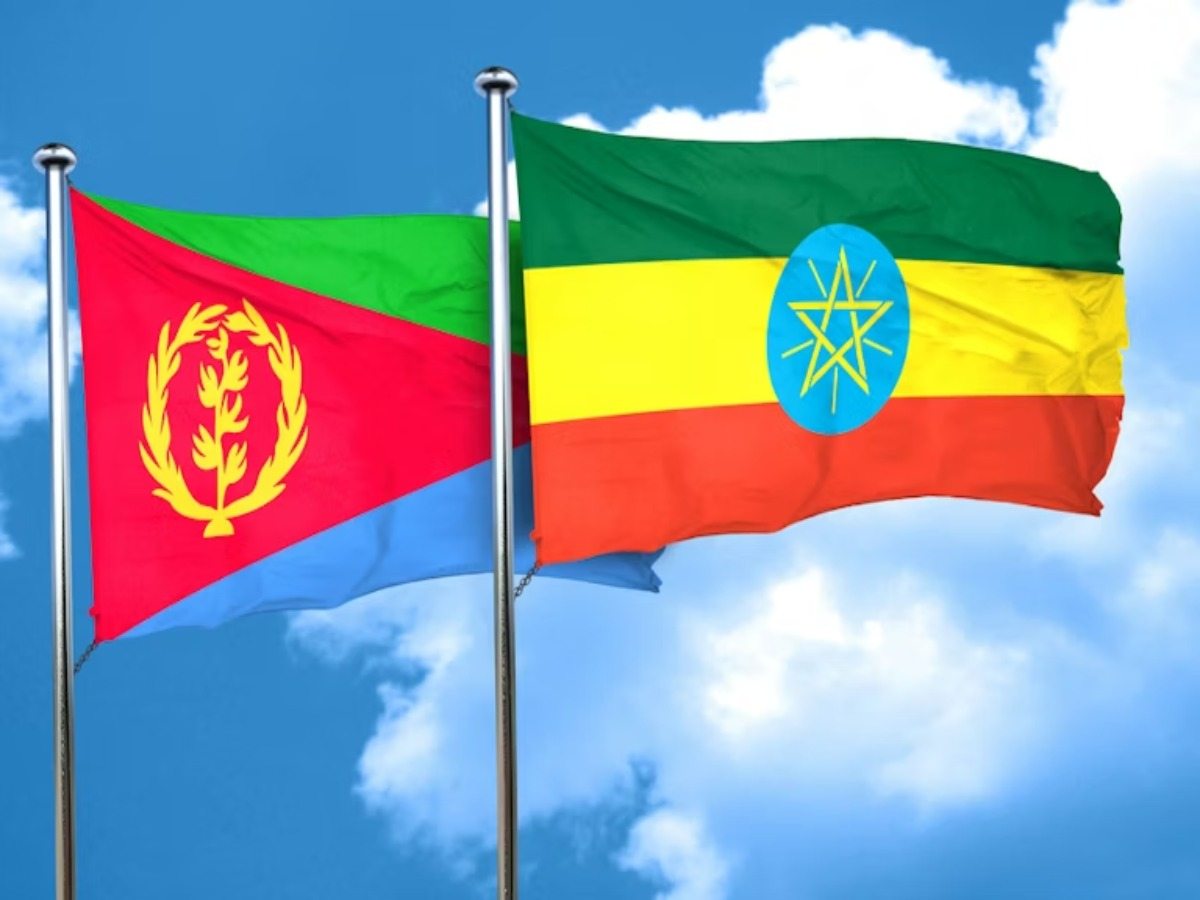
Eritrea has dismissed Ethiopia’s claims that its forces crossed into Ethiopian territory, rejecting the allegations as untrue amid escalating diplomatic friction between the Horn of Africa neighbors.
The dispute intensified after Ethiopia’s foreign minister sent a formal letter to Eritrea on Sunday demanding the withdrawal of Eritrean troops. The communication accused Eritrea of staging military operations alongside Ethiopian rebel groups in northern regions and providing them with weapons.
Eritrea rejected the claims, insisting the accusations were part of what it described as a sustained campaign of hostility directed at the country. Authorities in the country argued that the allegations reflected a pattern of political pressure rather than factual developments on the ground.

Tensions between the two countries are deeply rooted, stretching back to Eritrea’s independence from Ethiopia more than 30 years ago. Their relationship has been marked by periods of hostility and uneasy reconciliation, raising concerns that the latest disagreement could trigger another armed confrontation.
The nations fought a brutal border conflict between 1998 and 2000 that claimed more than 100,000 lives, according to a report by the BBC. Although a peace agreement was reached, it was never fully enforced. Diplomatic relations only improved in 2018 when Ethiopian Prime Minister Abiy Ahmed visited Eritrea’s capital, Asmara, in a historic trip that later contributed to his Nobel Peace Prize.
The relationship strengthened further when Eritrea supported Ethiopian government forces during the recent civil war against Tigrayan fighters. However, that cooperation has since unraveled, with both countries trading accusations over security threats and territorial concerns.
“Developments over the last few days indicate that the Government of Eritrea has chosen the path of further escalation,” Ethiopia Foreign Minister Gedion Timothewos‘s letter alleged.
“The incursion of Eritrean troops further into Ethiopian territory in our north-eastern borders and the joint military maneuvers being carried out by Eritrean forces with rebel groups in our north-western borders are not just provocations but acts of outright aggression.”
Another source of strain is Ethiopia’s push for maritime access. The landlocked nation has repeatedly raised concerns about its lack of a seaport, with Prime Minister Abiy describing access to the sea as critical for the country’s long-term survival. He has also previously suggested that Eritrea’s independence, which left Ethiopia without a port, was a “mistake”.
READ ALSO: Ethiopia grounds Tigray flights as war fears resurface
In his correspondence, Ethiopia’s foreign minister proposed that discussions could begin if Eritrean forces pull back, suggesting negotiations might include “the issue of access to the sea through the port of Assab”.
Eritrea’s information ministry dismissed the accusations in strong terms, saying the “patently false and fabricated accusations… [were] astounding in its tone and substance, underlying motivation, and overarching objective.
“As underlined before, the Government of Eritrea has no appetite for, or desire to, engage in meaningless acrimony to add fuel and exacerbate the situation.”
Relations between the countries showed further signs of deterioration last week when Abiy publicly alleged that Eritrean troops were responsible for killings in Aksum during the Tigray conflict between 2020 and 2022. Eritrea has consistently rejected those claims, despite reports of mass civilian deaths in the historic city in November 2020.
The shifting alliances have now placed Eritrea and Ethiopia on opposing sides of tensions in northern Ethiopia. Ethiopian authorities accuse Eritrea of backing Tigrayan factions that rejected the peace agreement that ended the civil war.
Last month, Ethiopian police reported intercepting thousands of rounds of ammunition they said were being transported from Eritrea to rebel groups.
Eritrea again denied involvement, accusing Ethiopia of “floating false flags to justify the war that it has been itching to unleash for two long years”.