

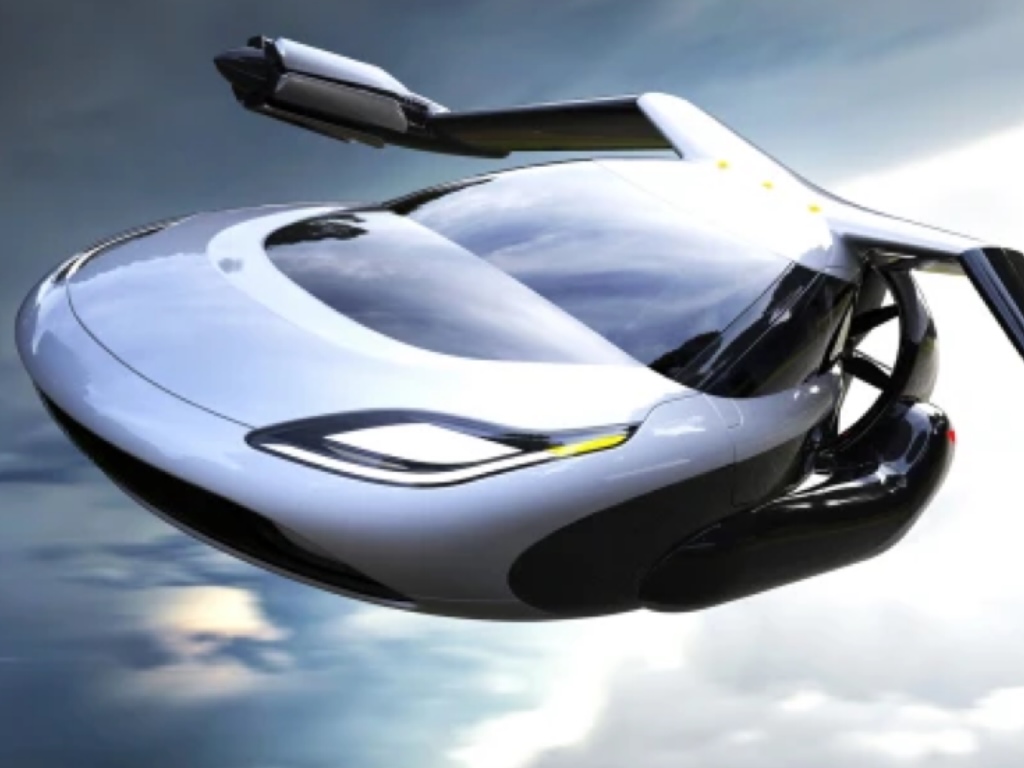
China’s flying cars are not a futuristic novelty or a publicity stunt. They signal a deliberate shift in how one country is preparing for the next phase of global mobility and power. China has moved flying cars and autonomous air vehicles out of speculative concept and into structured testing, regulation, and early commercial use. What matters is not the aircraft themselves, but the system surrounding them. Long-term planning, coordinated regulation, aligned universities, and state-backed industrial strategy have converged to turn an emerging technology into deployable infrastructure. This approach reveals a familiar pattern in global power shifts.
Countries that invest early do not simply adopt new technologies; they shape the standards, supply chains, and talent pipelines that define them. For Africa and the global Black diaspora, this moment raises uncomfortable but necessary questions about preparation, alignment, and long-term positioning in frontier industries.
READ ALSO: Africa–EU partnership and reparations: Why silence isn’t neutral
RELATED STORIES




The deeper significance lies beyond transportation. Control over mobility infrastructure has always translated into economic and political leverage, from railways to shipping lanes to digital networks. Low-altitude air mobility represents the next layer of that infrastructure stack. Nations that master it will influence logistics, emergency response, urban planning, and future military capabilities.
The opportunity for Africa and the diaspora is real, but it is conditional. Leapfrogging legacy systems requires more than importing technology. It demands investment in STEM education, aerospace and systems engineering, research capacity, and patient capital. Without those foundations, new technologies arrive as finished products rather than shared achievements. China’s flying cars, therefore, function less as a warning than as a mirror, reflecting who is building for the future and who is still reacting to it.
Watch the full breakdown to understand what this moment demands, and what happens if preparation continues to lag.